
Last updated September 10, 2026
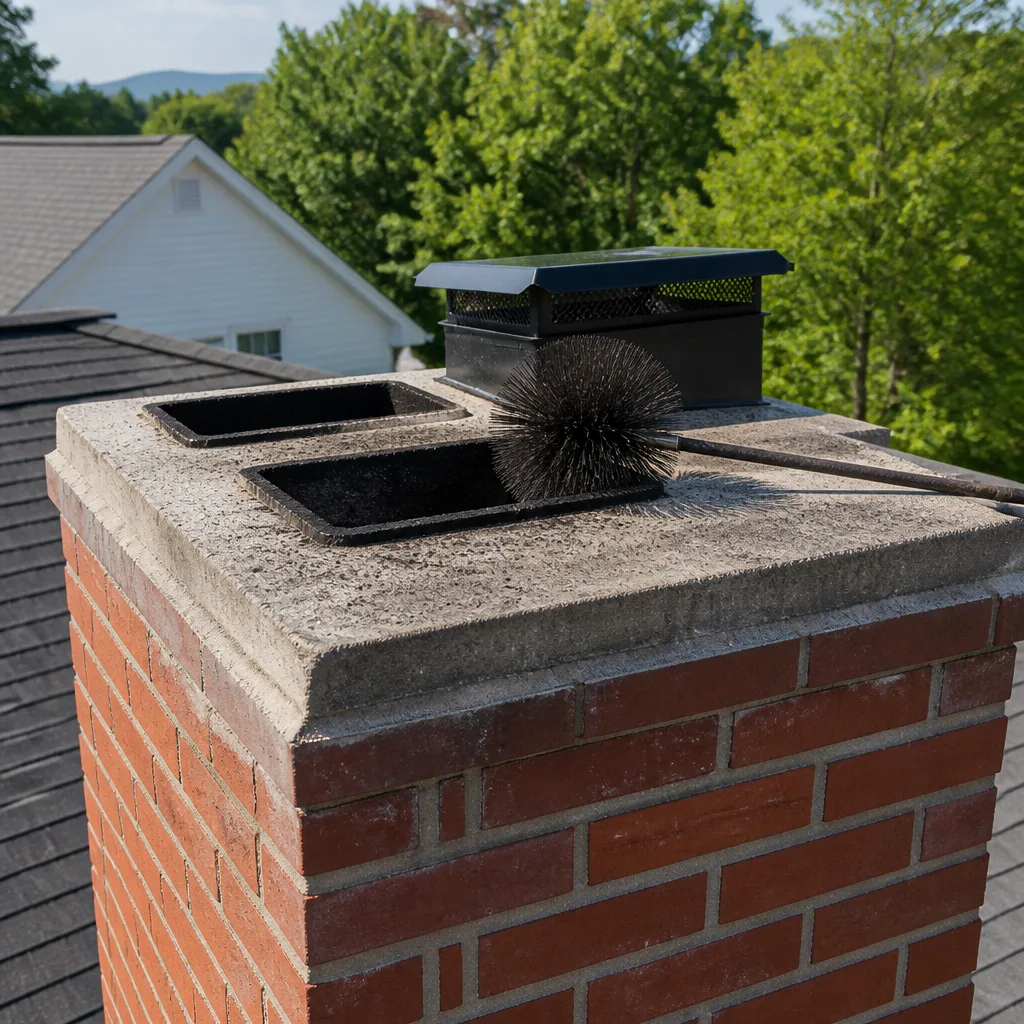
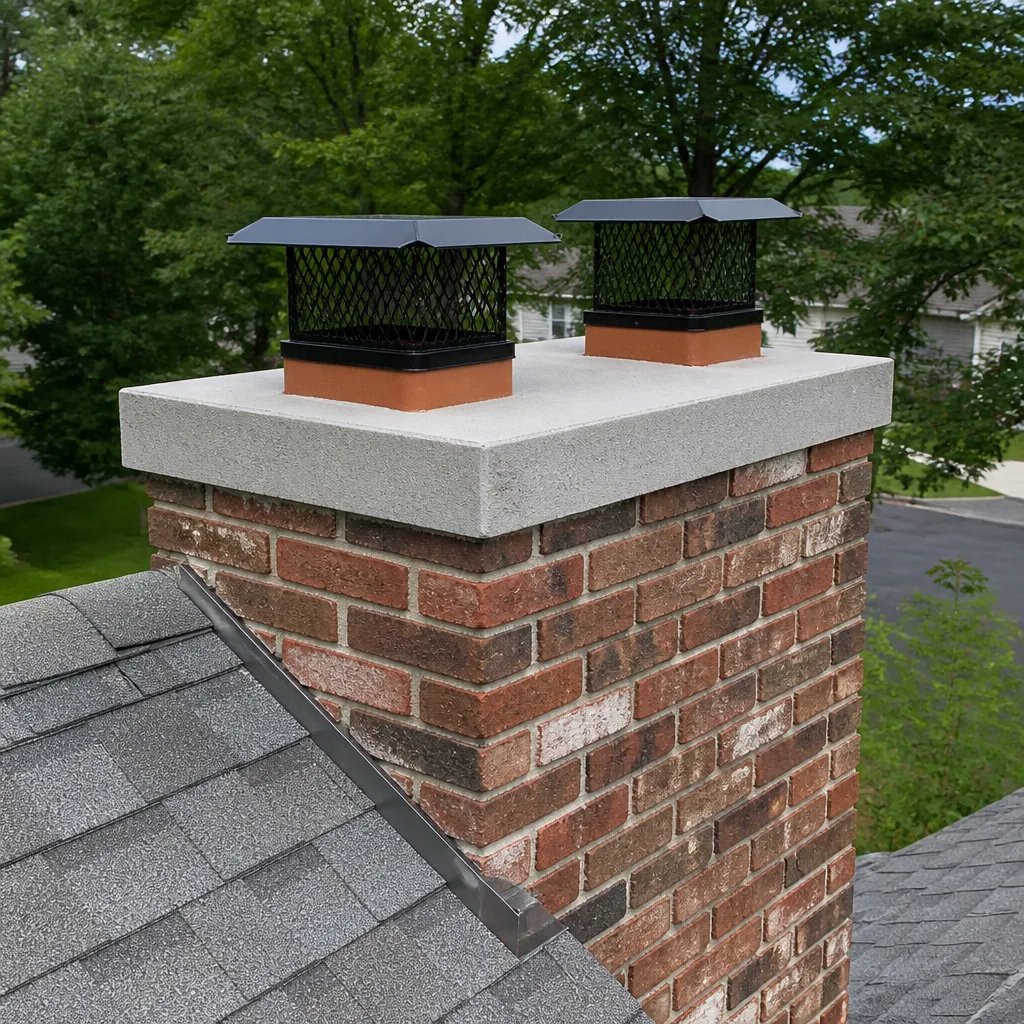
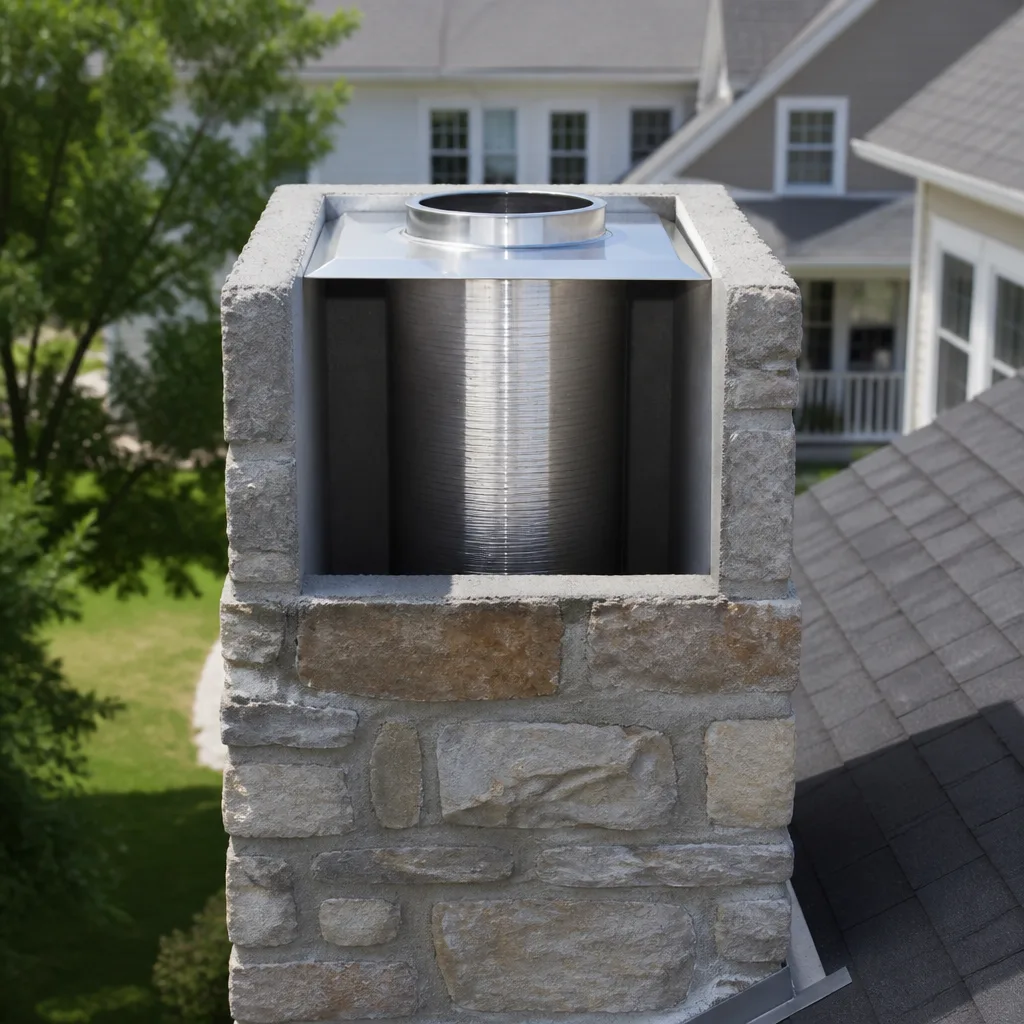
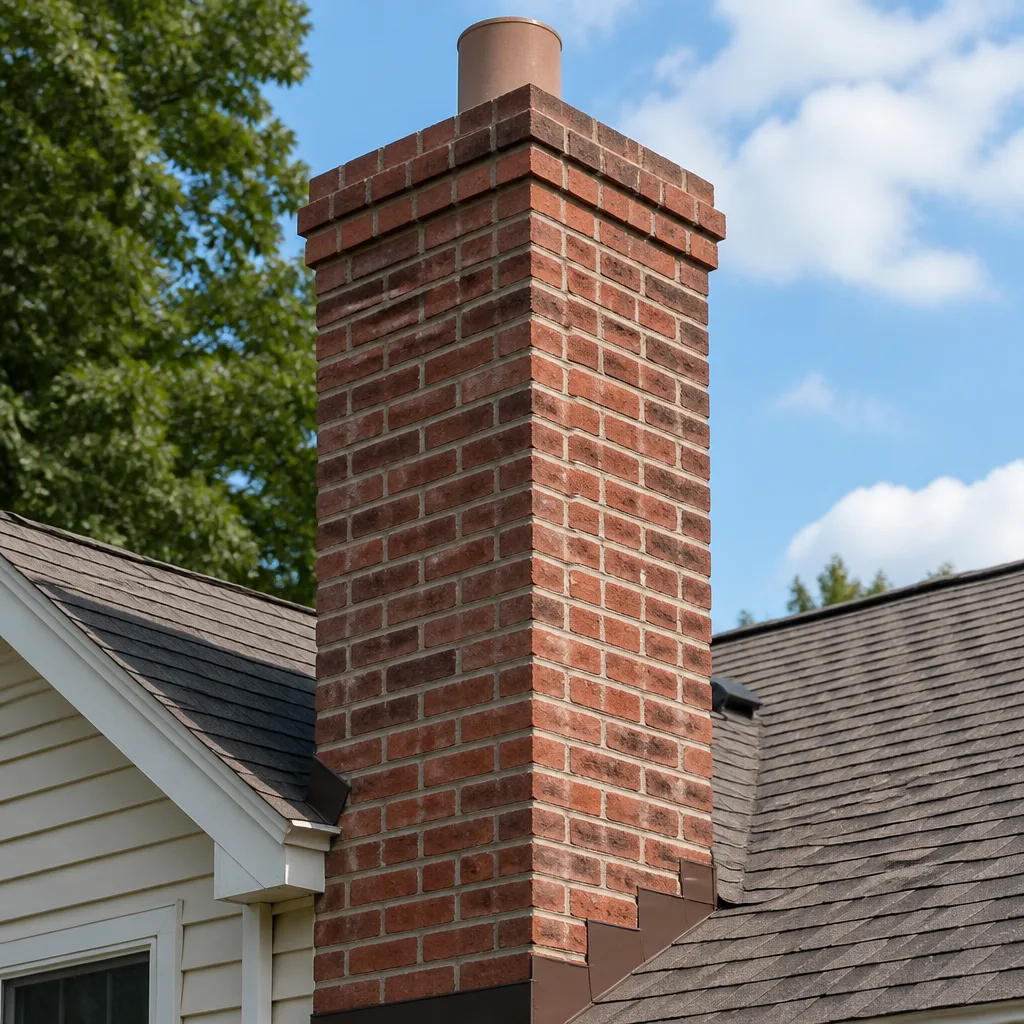
Level 1 sweep and inspection to the NFPA 211 annual standard - flue, crown, cap, and flashing checked and photographed
Chimney sweep logs do not sweep chimneys. They loosen some creosote - which then falls where a brush and vacuum still have to collect it.
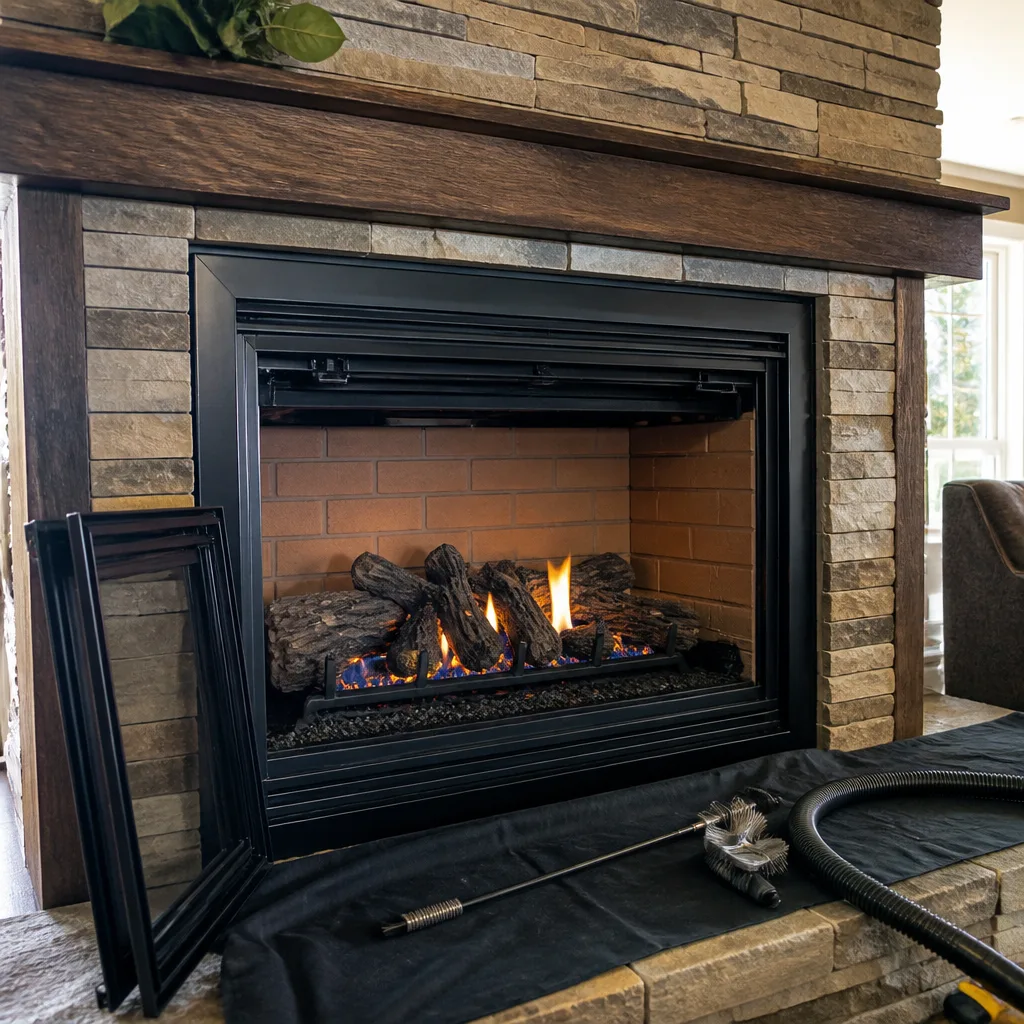
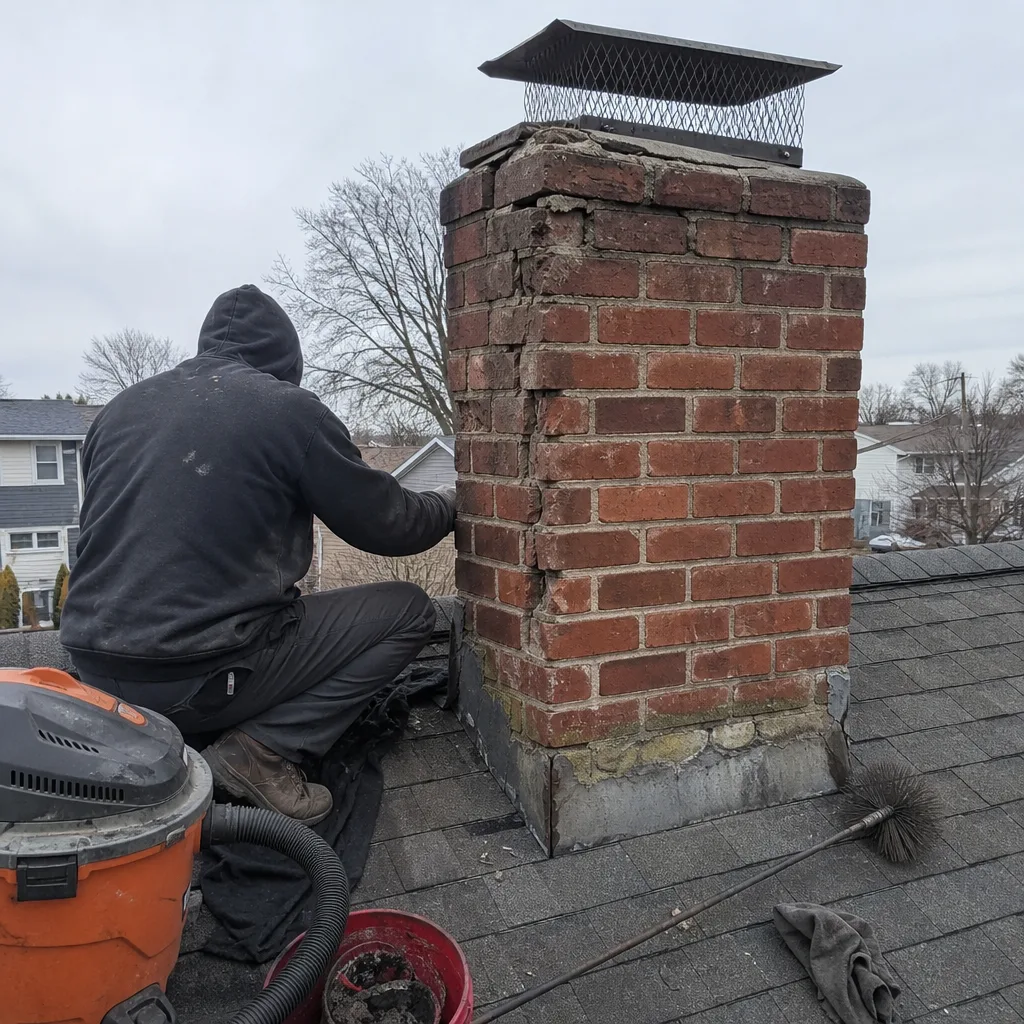 Before
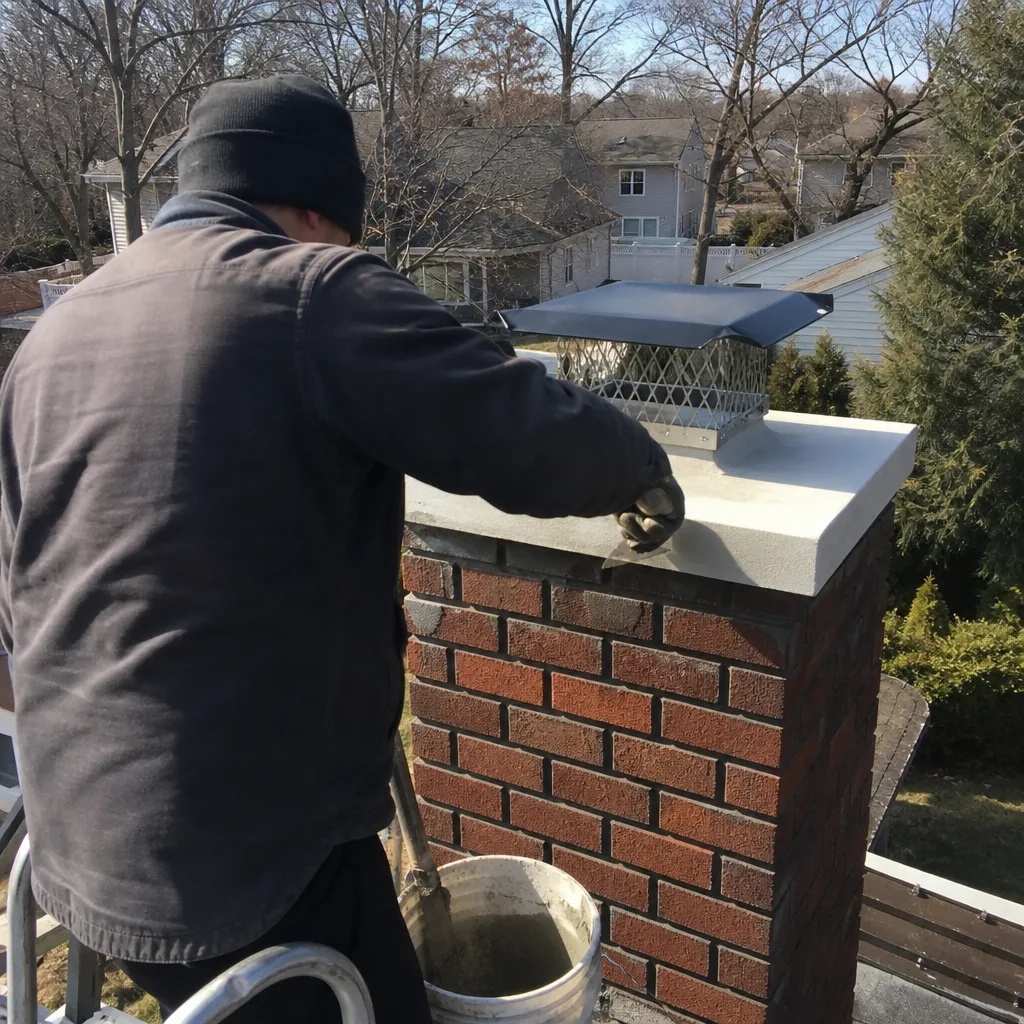 After
After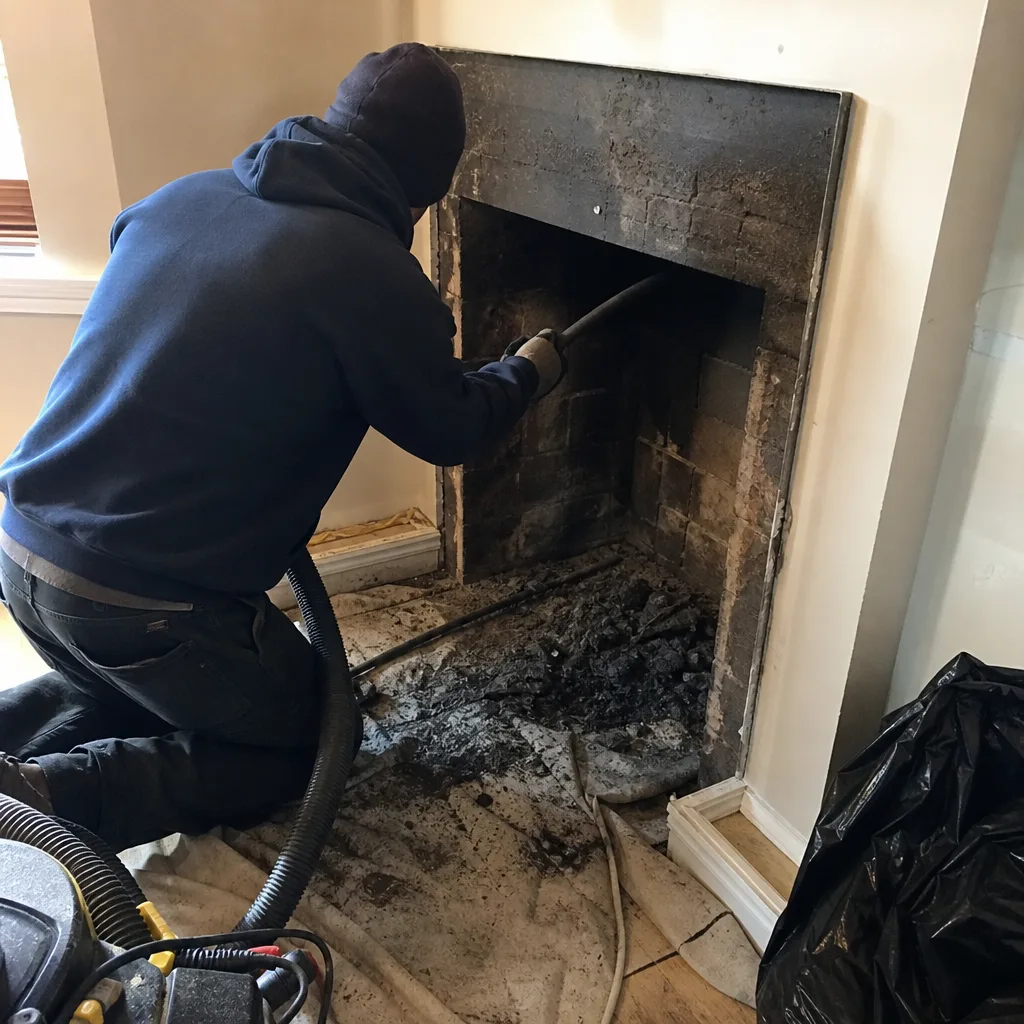 Before
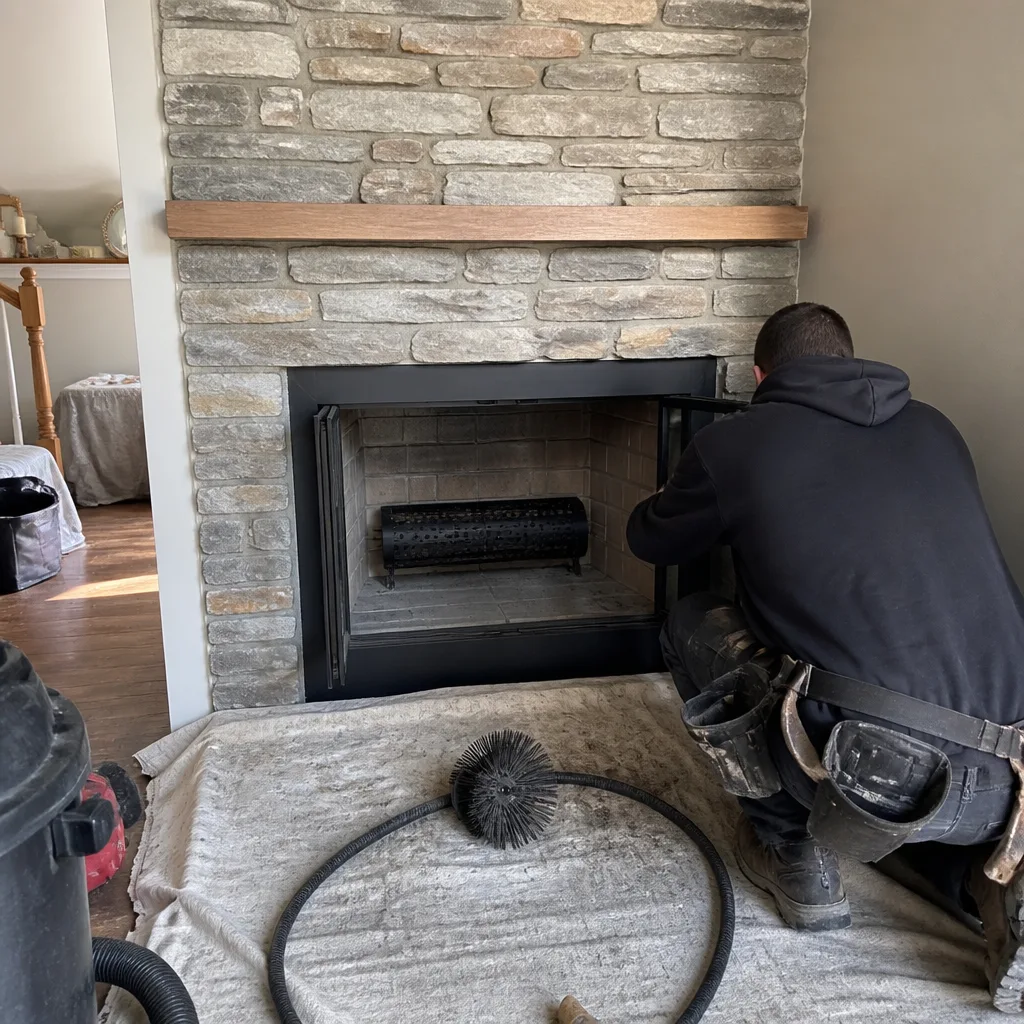 After
After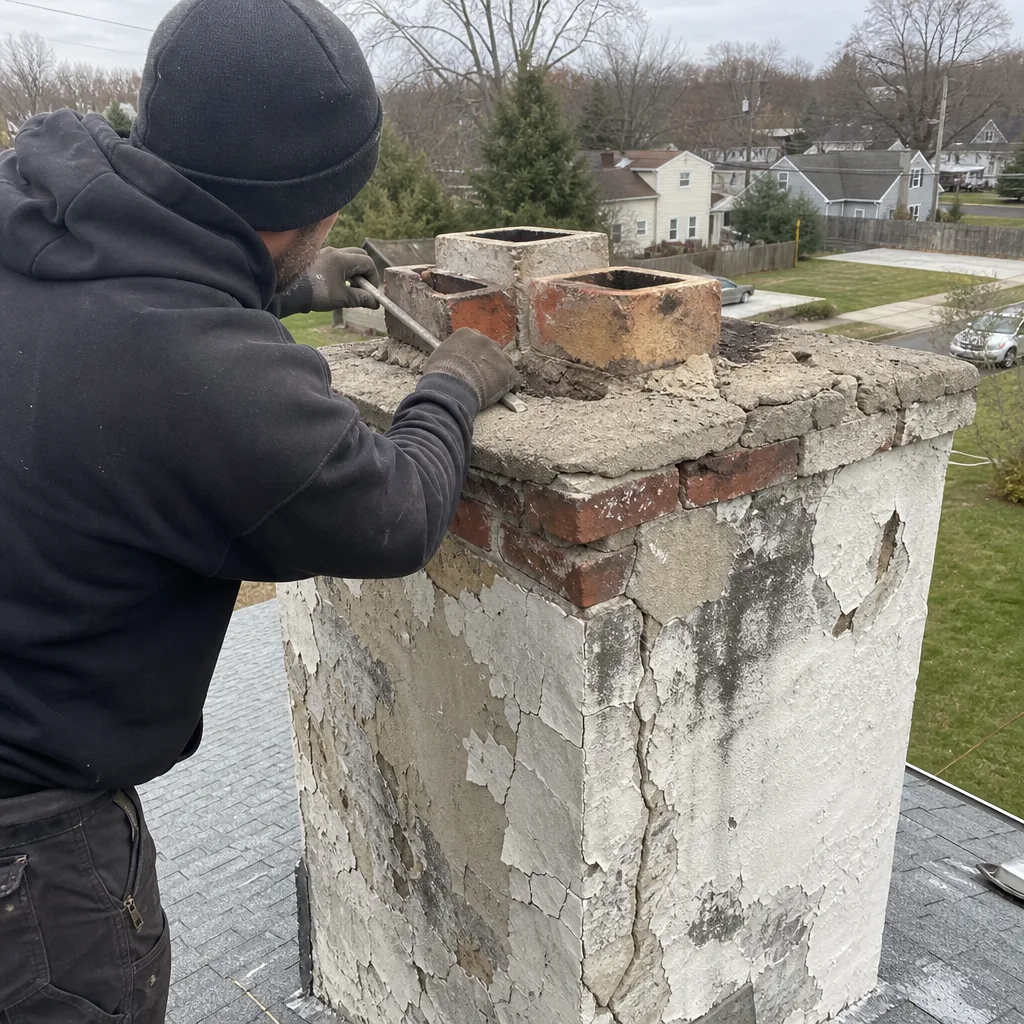 Before
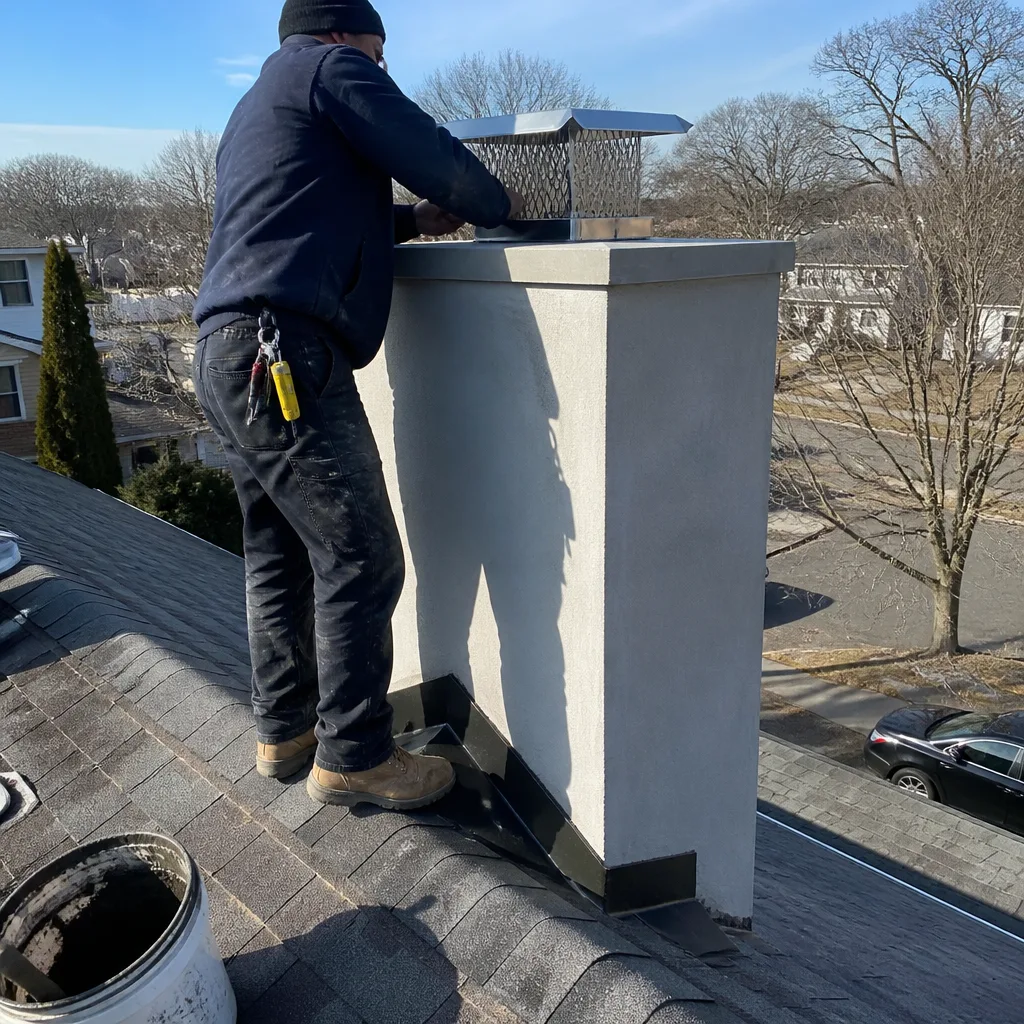 After
AfterChimney Cleaning Cost Breakdown: The Hicksville Homeowner’s Reference for 2026
A $79 chimney cleaning special in Hicksville typically covers about forty minutes and a wire brush. What it doesn’t cover - inspection, documentation, liner check, or a written report - is where the real cost of a dirty chimney lives. In this guide, we’ll break down every line item of a professional chimney cleaning so you know what you’re paying for, what you’re not, and why the difference matters before you light your first fire of the season. For related reading, see our Chimney Cleaning Warning Signs: A Hicksville Homeowner’s Reference Guide.
Quick Answer
Professional chimney cleaning in Hicksville, New York costs between $225 and $475 for a standard sweep with basic inspection in 2026. A Level 2 video inspection, which includes interior camera documentation of the flue and liner, adds $150 to $300. Most Nassau County homeowners with active fireplaces or wood stoves need the full service every 12 months, while gas appliance chimneys can often stretch to 24 months with a visual check. See our Chimney Cleaning & Sweep Maintenance Checklist for Hicksville Homeowners for a complete seasonal schedule.
Table of Contents
- What Professional Chimney Cleaning Actually Includes
- 2026 Price Ranges for Nassau County
- Level 1 vs. Level 2 Inspection: When the Upgrade Isn’t Optional
- Add-On Services: Real Costs and How to Evaluate Them
- The Hidden Cost of Cheap Sweeps
- How to Read an Estimate Like a Craftsman
- Hicksville-Specific Factors That Affect Your Bill
- Common Mistakes to Avoid
- When to Call a Professional
- Frequently Asked Questions
What Professional Chimney Cleaning Actually Includes
There’s no state license for chimney sweeps in New York, which means anyone with a brush and a ladder can call themselves a professional. A real cleaning, the kind that protects your home and satisfies your insurance company if something goes wrong, has five distinct components. Understanding each one helps you spot what’s missing from a low bid.
Sweep labor is the physical removal of combustible deposits - creosote, soot, and debris - from the firebox, smoke chamber, and flue. In Hicksville, where many homes were built in the 1950s through 1970s with masonry fireplaces, this means working around clay flue tiles that may be cracked, shifted, or improperly parged. A proper sweep takes 45 minutes to 90 minutes for a standard fireplace, longer for a wood stove insert or a chimney with significant buildup. We use professional-grade rods and brushes sized to your flue diameter, not a one-size-fits-all tool.
Inspection follows the sweep, and this is where the real value lives. NFPA 211, the national standard adopted by Nassau County building officials, defines three levels of inspection. Most cleanings include at least a Level 1 - visual examination of readily accessible portions. But visual only goes so far. In Levittown-style homes near Hicksville, we’ve found cracked flue tiles hidden behind perfectly sound-looking mortar joints that a Level 1 would never catch.
Camera equipment for Level 2 inspections allows documentation of the flue interior from top to bottom. The camera reveals creosote glazing, tile separation, mortar loss, and liner deterioration that determines whether your chimney is safe to use. Without it, you’re trusting someone else’s eyes in a dark, narrow space you can’t enter yourself.
Disposal covers proper removal of creosote and debris, which is classified as hazardous waste in quantity. Cheap operators sometimes dump in your trash can or leave it in a bucket by the garage. We bag and remove everything, with documentation available on request.
Documentation is your record for insurance, real estate transactions, and your own peace of mind. A proper report includes photos, findings, recommendations, and the sweep’s certification credentials. No report, no proof the work happened.
2026 Price Ranges for Nassau County
These figures reflect what we’ve quoted and completed in Hicksville, Levittown, Bethpage, and surrounding Nassau County communities through early 2026. Prices include labor, materials, and standard disposal. Your actual cost depends on chimney height, accessibility, condition, and whether the fireplace has been modified from original construction.
| Service Component | Typical Range | What Affects the Price |
|---|---|---|
| Standard chimney sweep (Level 1 inspection included) | $225 - $325 | Number of flues, roof access difficulty, creosote buildup severity |
| Level 2 video inspection (add-on or standalone) | $150 - $300 | Chimney height, number of appliances served, documentation detail |
| Combined sweep + Level 2 inspection | $375 - $475 | Package pricing varies by company; always confirm what’s bundled |
| Wood stove insert removal and reinstallation for sweep | $75 - $150 | Insert weight, pipe configuration, gasket condition |
| Gas fireplace cleaning and inspection | $175 - $275 | Log set complexity, vented vs. vent-free, burner condition |
| Chimney cap installation (standard stainless steel) | $250 - $450 | Flue size, cap style, existing cap removal |
| Crown repair (minor crack sealing) | $200 - $400 | Crown size, crack extent, sealant type |
| Crown rebuild (concrete or specialized overlay) | $800 - $1,800 | Crown dimensions, accessibility, material specification |
| Tuckpointing (spot mortar repair) | $500 - $1,200 | Area affected, mortar matching requirements, scaffold needs |
| Damper repair or replacement | $300 - $700 | Damper type (throat vs. top-mount), throat access difficulty |
| Stainless steel liner installation (standard fireplace) | $2,500 - $4,500 | Flue height and diameter, appliance type, insulation requirements |
| HeatShield cerfractory flue resurfacing | $1,800 - $3,200 | Flue length, damage extent, certification documentation |
These ranges are current for the Hicksville market as of 2026. Material costs have risen modestly since 2023, particularly for stainless steel and specialized refractory products. Labor rates in Nassau County run higher than Suffolk due to insurance and operational costs, so a quote from a Suffolk-based sweep may not translate directly.
Our chimney cleaning and sweep service in Hicksville includes no-hassle upfront pricing - the number on the estimate is the number on the invoice. We’ve found that surprises on the bill destroy trust faster than any other single thing in this business.
Level 1 vs. Level 2 Inspection: When the Upgrade Isn’t Optional
The National Fire Protection Association defines three inspection levels, but for residential chimney cleaning, only Levels 1 and 2 matter in daily practice. Knowing when each applies saves you from paying for more than you need - or far worse, from paying for less than your situation demands.
Level 1 inspection is visual and accessible-only. The technician examines the firebox, damper, smoke chamber, and exterior chimney structure without tools or equipment beyond a flashlight and mirror. It’s appropriate when your appliance, fuel type, and chimney condition haven’t changed, and you’re keeping up with annual maintenance. For a gas fireplace in Hicksville that hasn’t been modified and is used occasionally, a Level 1 with cleaning may suffice.
Level 2 inspection adds video scanning of the flue interior, plus examination of accessible attics, crawl spaces, and basements for chimney clearances and condition. It’s required by NFPA 211 when:
- You’re buying or selling the property
- The fuel type has changed (wood to gas, or vice versa)
- The appliance has been replaced or modified
- There’s been a chimney fire, earthquake, or other potentially damaging event
- Annual Level 1 inspections reveal cause for concern
In our experience across Hicksville and neighboring Bethpage, the fifth condition catches the most homeowners off guard. A Level 1 reveals staining, odor, or draft problems that can’t be diagnosed from the outside. The upgrade to Level 2 isn’t upselling - it’s completing the diagnosis so you know whether your chimney is safe or not.
Here’s what a Level 2 camera inspection actually shows you: creosote glazing that will become a fire hazard next season; cracked or spalled clay flue tiles that allow heat transfer to combustible framing; gaps between tile sections that leak combustion gases; and liner deterioration that may require relining before the chimney can be used safely. In Levittown homes built with shared chimney structures between attached units, we’ve documented cross-contamination of combustion products that the occupants couldn’t smell or detect any other way.
The camera footage belongs to you. We provide it on request, with a plain-English verdict that tells you what we found, what it means, and what your options are. Photos you can see, a plain-English verdict - that’s the standard we hold ourselves to.
Add-On Services: Real Costs and How to Evaluate Them
A chimney cleaning sometimes reveals work that needs doing. The question isn’t whether additional services are ever legitimate - they often are - but how to tell the difference between a necessary repair and a pressured upsell. Here’s how we approach it, and what you should ask.
Relining becomes necessary when the existing flue liner is damaged, improperly sized, or missing entirely. In Hicksville’s older housing stock, unlined chimneys are common in pre-1940s construction, and clay tile liners in homes from the 1950s through 1970s are reaching end of useful life. A stainless steel liner from Olympia Chimney or DuraFlex, properly insulated and sized to your appliance, runs $2,500 to $4,500 installed. The alternative is not using the fireplace, or accepting the risk of a house fire or carbon monoxide intrusion. We never recommend relining without camera evidence you can see for yourself, and we’ll tell you plainly when the condition can be monitored rather than repaired immediately.
Chimney cap replacement protects against water intrusion, animal entry, and downdraft. A missing or damaged cap is often the root cause of expensive deterioration we find inside. Standard stainless steel caps from Gelco or Famco run $250 to $450 installed; custom copper or specialty designs cost more. If your sweep recommends a cap, ask to see the existing one - or the rust stains and debris that indicate it’s missing or failed.
Crown repair or rebuild addresses the concrete top that seals the chimney structure below the cap. Cracks in the crown allow water into the chimney body, where freeze-thaw cycles in Hicksville’s climate progressively destroy masonry. Minor crack sealing with specialized crown coat runs $200 to $400; a full rebuild with proper overhang and drip edge runs $800 to $1,800. We document crown condition with photos from the roof, not from the ground with a zoom lens.
Tuckpointing replaces deteriorated mortar joints between bricks or stones. It’s not cosmetic - failed mortar allows water penetration that leads to structural instability. Spot tuckpointing runs $500 to $1,200; extensive work requiring scaffold or extensive matching runs higher. We specify the mortar mix (Type N for most above-grade applications in this climate) and show you the deterioration before quoting.
Damper repair or replacement affects energy efficiency and draft performance. A throat damper that won’t fully close costs you heating dollars; one that won’t fully open risks smoke backup. Top-mount dampers from Famco or specialty manufacturers add energy efficiency benefits but require proper sizing. Expect $300 to $700 depending on type and access difficulty.
The key evaluation question for any add-on: “Show me the problem, explain my options, and tell me what happens if I wait.” Any sweep who won’t do all three is selling, not advising.
The Hidden Cost of Cheap Sweeps
A $79 chimney sweep is not a $79 chimney sweep. It’s a loss leader designed to get a foot in the door, after which the “real” problems are discovered and the bill multiplies. Sometimes the upsell is legitimate. Often it’s fabricated or exaggerated. And sometimes the cheap sweep itself creates the hazard that costs you later.
Here’s what we’ve found inspecting chimneys in Hicksville after cut-rate cleanings:
- Missed liner damage that progressed to the point of requiring full relining instead of spot repair - turning a $400 maintenance item into a $3,500 replacement
- Improper brush sizing that scored clay flue tiles, creating cracks where none existed before
- Incomplete creosote removal that left glazed deposits ready to ignite - the homeowner believed the chimney was clean because they’d paid for a cleaning
- No documentation whatsoever, leaving no recourse when the fireplace failed inspection during a home sale six months later
- Damaged chimney caps or crowns from technicians who weren’t trained to work on roofs safely or carefully
The most expensive cheap-sweep outcome is the one that doesn’t show up until it’s catastrophic. A chimney fire in a Hicksville home on Jerusalem Avenue in 2023 started in a chimney that had been “cleaned” three months prior for $89. The sweep had run a brush from the bottom, never accessed the roof, and missed a bird’s nest obstruction that caused creosote to accumulate above the reach of the brush. The resulting fire caused $180,000 in structural damage. The sweep’s company had no insurance and dissolved within weeks.
Our 90-Day Done Right Promise exists because we stand behind our work - in writing, no arguing. If it’s not right, we come back. A company that plans to be in town in thirty more years acts accordingly.
How to Read an Estimate Like a Craftsman
An estimate that reads “Chimney cleaning and inspection: $189” tells you almost nothing useful. You don’t know what’s included, what’s excluded, or what happens if the technician finds something unexpected. A proper estimate is itemized, specific, and leaves room for the unknown without becoming a blank check.
Here’s what to look for:
- Line-item breakdown showing sweep labor, inspection level, equipment charges, and disposal separately
- Inspection specification stating whether Level 1 or Level 2, and whether video documentation is included
- Scope limitations that define what’s covered and what triggers additional charges - roof access difficulty, insert removal, excessive buildup, etc.
- Documentation commitment specifying what report, photos, or video you’ll receive
- Guarantee terms in writing, with clear recourse if something isn’t right
- Insurance and credentials - general liability, workers compensation, and any industry certifications
When comparing two estimates, match the line items, not just the bottom line. A $325 estimate with Level 2 inspection and written report may cost less than a $225 estimate that requires a $150 upsell to achieve the same coverage. We’ve seen Hicksville homeowners pay more for less because they compared single numbers without reading the details.
Ask specifically: “What happens if you find cracked flue tiles?” A qualified sweep has a clear protocol - document, explain options, quote separately, never pressure. An operator with something to sell will find cracks in every chimney they touch.
Our estimates specify the work, the price, and what comes next if we find something unexpected. No surprises on the bill. A square deal.
Hicksville-Specific Factors That Affect Your Bill
Chimney cleaning costs aren’t uniform across Long Island. Local conditions in Hicksville and surrounding Nassau County communities create real differences in what technicians encounter and what homeowners should expect to pay.
Housing age and construction type dominates. The original Levittown developments and their immediate successors in Hicksville feature masonry fireplaces with clay flue tiles, often shared between attached or semi-attached units. These chimneys are sixty to seventy years old now. The clay tiles have cycled through thousands of heating seasons. Mortar has deteriorated. Crowns have cracked. We’ve replaced liners in homes where the original construction had no liner at all - just brick exposed to combustion gases for decades. Older homes take longer to evaluate properly and more often reveal conditions that affect safety.
Climate and weather exposure matters. Hicksville’s coastal influence means more freeze-thaw cycling than inland New York locations, accelerating masonry deterioration. Nor’easters and hurricane remnants drive rain into chimney structures from angles that standard cap designs don’t fully protect against. We see more water damage in chimneys within a mile of the Wantagh State Parkway corridor than in better-sheltered inland locations. That water damage often hides behind intact-looking exterior brick until a camera inspection reveals the extent.
Local fuel patterns affect creosote accumulation. Hicksville has shifted from predominantly wood-burning fireplaces in the 1970s and 1980s to more gas inserts and decorative gas logs today. But the original masonry chimneys remain, often serving new appliances they’re not properly sized for. A gas insert vented into an oversized masonry flue may not generate creosote, but it can produce condensation that deteriorates the liner from the inside out - a different problem requiring different detection.
Permit and code considerations apply for significant repairs. Nassau County follows the New York State Uniform Fire Prevention and Building Code, with local amendments. Relining, structural rebuilds, and some crown replacements require permits and inspection. A sweep who doesn’t mention permit requirements for major work either doesn’t know the local code or intends to skip it. Neither is acceptable.
Neighborhood access and parking affects travel time and setup. Dense sections of Hicksville near the LIRR station or along busy commercial corridors require different logistics than single-family streets with driveway access. This isn’t a major cost driver, but it’s part of why consistent, local operators can quote more accurately than dispatch services routing technicians from Ronkonkoma or Queens.
Common Mistakes to Avoid
- Booking on price alone without verifying what’s included. The $189 special that omits inspection, documentation, and roof access isn’t comparable to a $325 service that includes all three. Compare line items, not headline numbers.
- Skipping inspection in a home you’re buying or selling. Nassau County real estate transactions increasingly require Level 2 documentation. A Level 1 from last year won’t satisfy a cautious buyer’s insurer, and discovering problems during escrow costs everyone time and money.
- Ignoring a chimney because you “hardly use it.” Unused chimneys in Hicksville’s humid coastal climate accumulate moisture, organic debris, and animal nesting. We’ve found complete blockages in chimneys the owners claimed hadn’t been used in years. Annual inspection catches these before they become emergencies.
- Accepting verbal recommendations without photo evidence. A crack you can’t see is a crack you can’t verify. Any sweep recommending significant work should show you the problem, explain what it means, and document it in writing. Photos you can see, or it didn’t happen.
- Delaying maintenance until burning season. September and October scheduling in Hicksville fills weeks in advance. A chimney that needs repair before safe use can leave you without a fireplace for the first cold snap. Book cleaning in spring or early summer for best availability and often better pricing.
- Hiring unverified workers from door-to-door solicitations. After major storms, transient operators appear with local-sounding names and out-of-state plates. They carry no Nassau County business registration, no insurance you can verify, and no address where you can find them if something fails. Check credentials before anyone climbs your roof.
- Assuming gas fireplaces need no maintenance. Gas appliances produce different byproducts than wood, but they still require inspection of valves, burners, venting, and combustion air supply. A blocked vent on a gas fireplace produces carbon monoxide, not smoke - it’s silent, invisible, and fatal.
When to Call a Professional
Call for an inspection before burning season if it’s been more than twelve months since your last professional evaluation. Call immediately if you notice smoke backup into the room, unusual odors when the fireplace isn’t in use, visible cracks in interior masonry, or white staining (efflorescence) on exterior brick that suggests water intrusion. Call before listing your Hicksville home for sale - a documented Level 2 inspection prevents last-minute transaction surprises.
Carbon monoxide detectors are not a substitute for chimney maintenance. They’re a last-resort warning, not a prevention strategy. A properly functioning chimney removes combustion gases; a detector only tells you when it has failed.
Hearthstone Chimney Co. offers free estimates in Hicksville. Call (516) 259-3797 and a live person will answer, any hour of any day. We’ll schedule a time that works, show up when we say, and give you a plain-English assessment with photos you can see and pricing with no surprises. Done right - and we stand behind it.
Frequently Asked Questions
Professional chimney cleaning in Hicksville costs between $225 and $325 for a standard sweep with Level 1 inspection, and $375 to $475 when bundled with a Level 2 video inspection. Wood stove inserts, gas fireplaces, and chimneys with difficult roof access may run higher. Call (516) 259-3797 for an exact quote - estimates are free.
You need a new liner when the existing one is damaged, improperly sized, or missing - conditions we document with camera footage you can see yourself. In Hicksville’s older homes, cracked clay tiles and unlined chimneys are genuinely common. We tell you plainly when repair can wait and when it can’t. No camera evidence, no liner recommendation.
Active wood-burning fireplaces and stoves need annual sweeping and inspection. Gas appliances can typically go two years between full cleanings with annual visual checks. Oil and pellet appliances fall between these intervals. The 1/4-inch creosote rule from NFPA 211 is the technical standard - when buildup reaches that thickness, cleaning is required regardless of calendar.
Skipped maintenance leads to creosote accumulation that fuels chimney fires, liner deterioration that allows heat transfer to combustible framing, and blockages that force carbon monoxide into living spaces. In Hicksville’s aging housing stock, the risks compound with time. The cost of prevention is a fraction of the cost of remediation - or of a fire that destroys what insurance can’t replace.
A sweep removes combustible deposits; an inspection evaluates condition and safety. They’re related but distinct. A sweep without proper inspection leaves hidden hazards unaddressed. An inspection without cleaning may miss conditions concealed by buildup. Professional service includes both, with the inspection level matched to your situation.
We don’t recommend it. Roof work on steep pitches, proper brush sizing for your flue, and meaningful inspection all require training and equipment most homeowners don’t have. More critically, a DIY cleaning provides no documentation for insurance or real estate purposes, and misses the hidden conditions that professional camera inspection reveals. For the cost difference, the risk-reward math doesn’t work.
Estimates vary because services vary. One company’s “cleaning” is forty minutes with a brush; another’s is a two-hour process with documentation and follow-up. Material quality differs - we use professional-grade products from HeatShield, Gelco, and Olympia Chimney, not builder-grade substitutes. Insurance coverage, technician training, and guarantee backing all affect sustainable pricing. A company that can’t explain why it costs what it costs probably can’t explain what it’s doing either.
The Bottom Line
Chimney cleaning in Hicksville costs what it costs because of what’s included, what’s documented, and what happens if something’s wrong. The honest price is the one that names every component, shows you the evidence, and stands behind the work without argument. Low-ball quotes stop looking like deals when you understand what they omit - and what that omission might cost you later.
Get an itemized estimate. Ask for photo documentation. Verify insurance and local business credentials. And schedule before the October rush, when quality technicians book weeks out and pressure to “just get it done” overrides good judgment.
We’ve served Nassau County communities for over 42 years. We’ll be here when you need us next, and the time after that. That’s the difference between a sweep and a company that plans to stay.
Written by Russell Haines, Owner at Hearthstone Chimney Co., serving Hicksville since 2014.