
Last updated September 10, 2026
Level 1 sweep and inspection to the NFPA 211 annual standard - flue, crown, cap, and flashing checked and photographed
Chimney sweep logs do not sweep chimneys. They loosen some creosote - which then falls where a brush and vacuum still have to collect it.
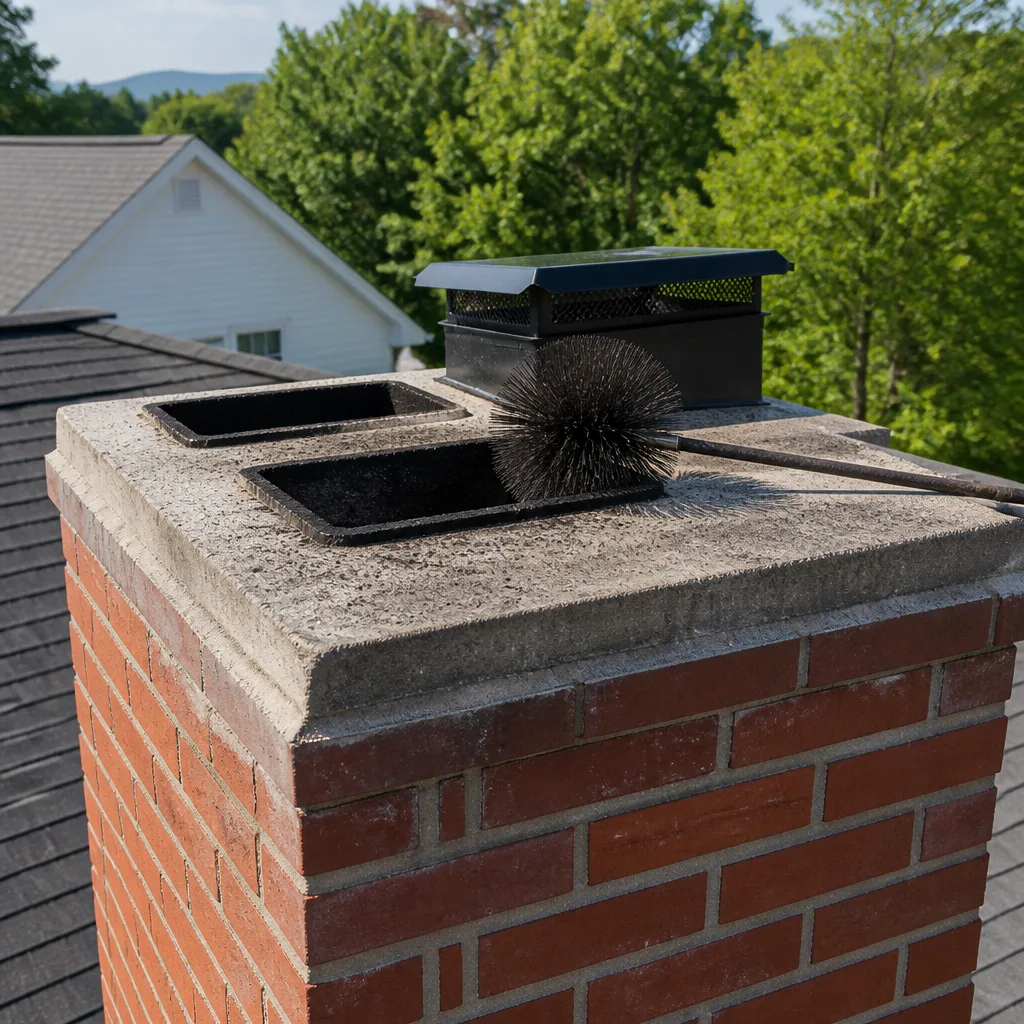
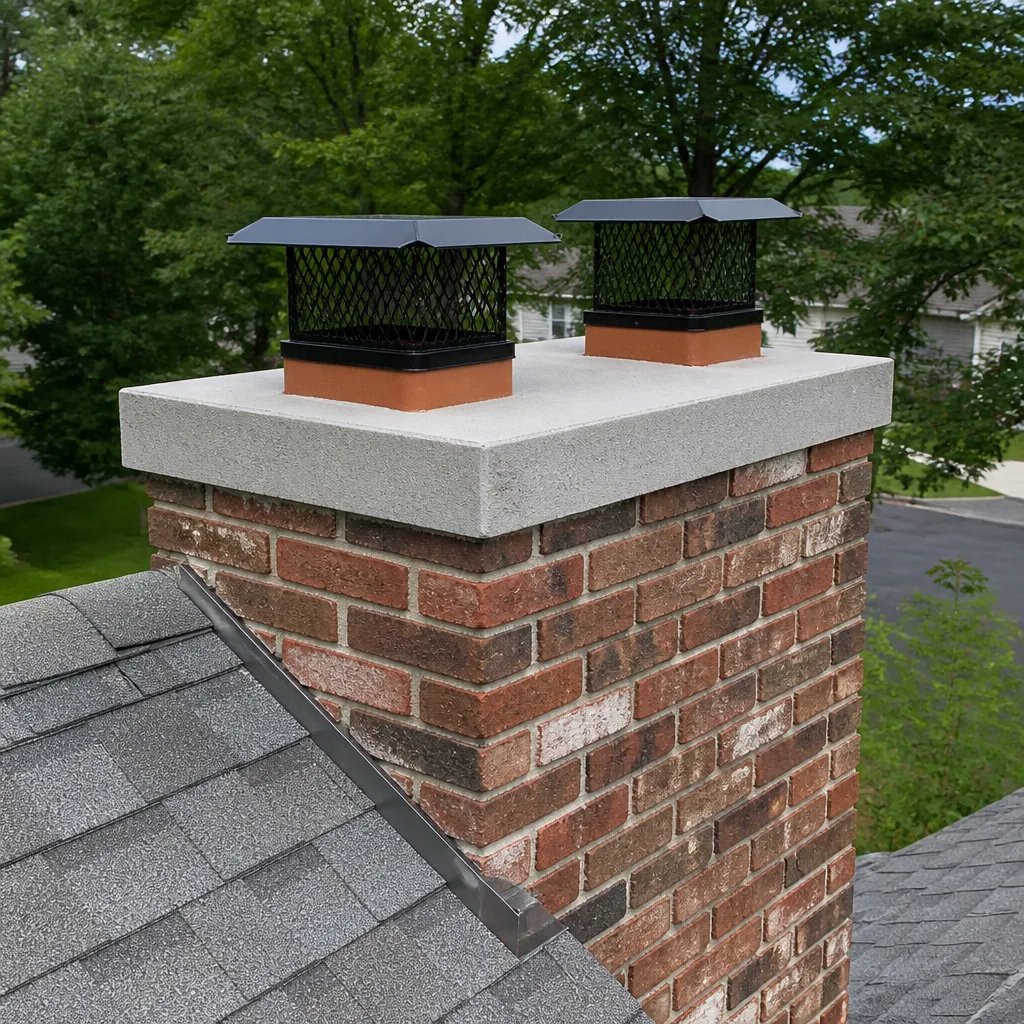
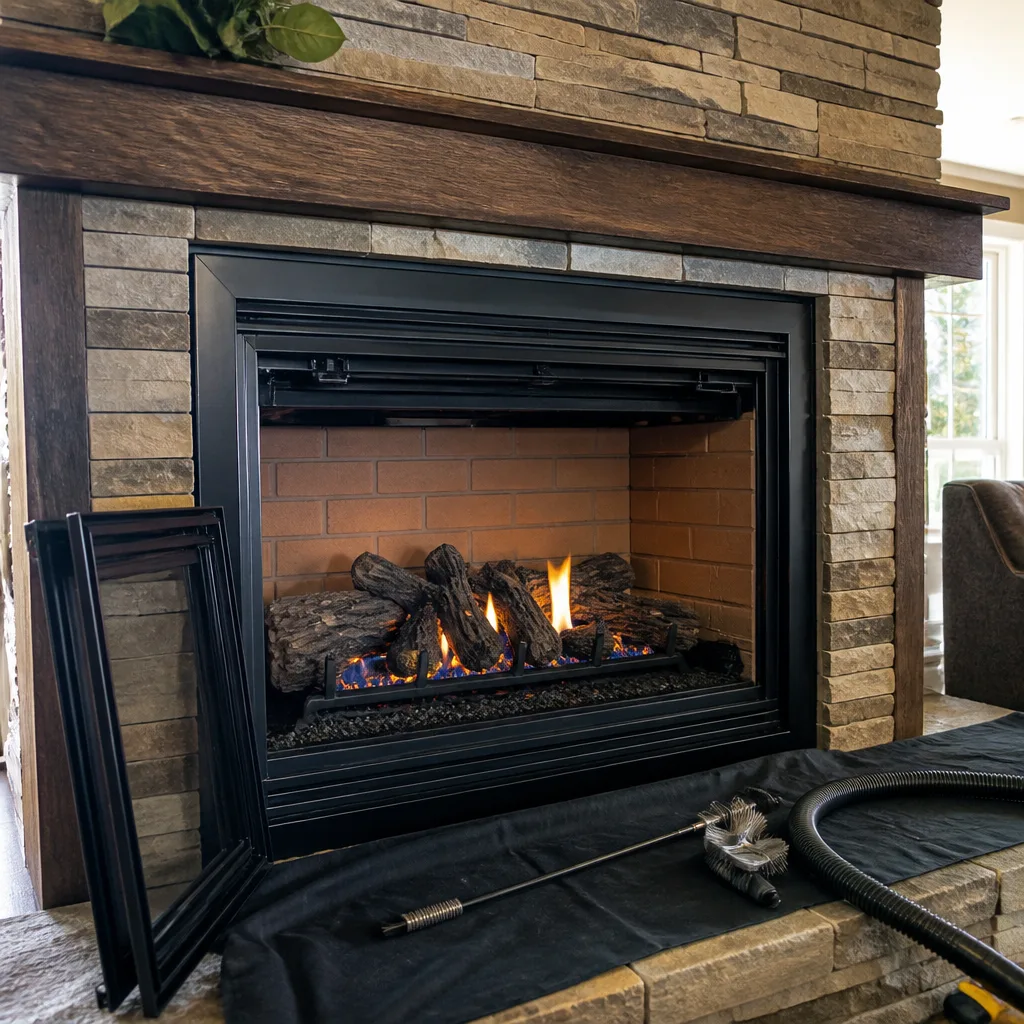
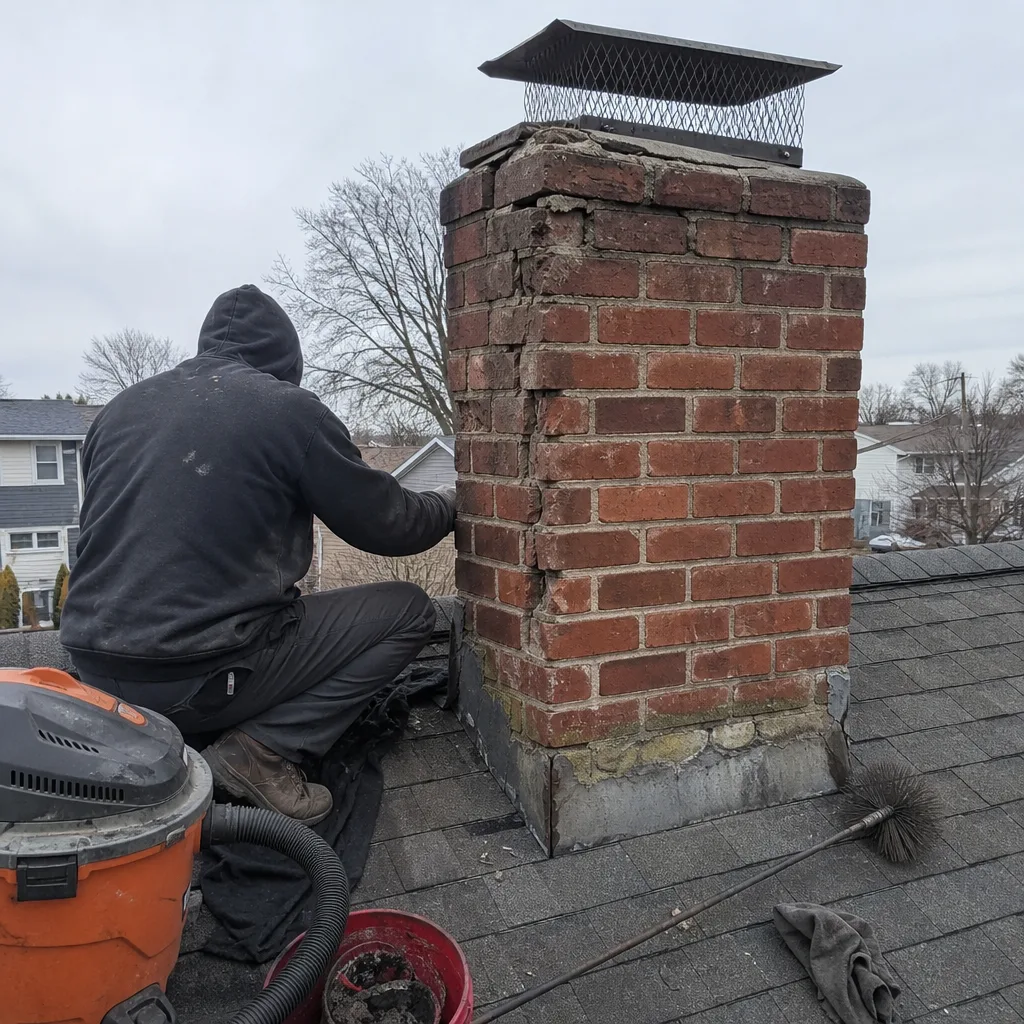 Before
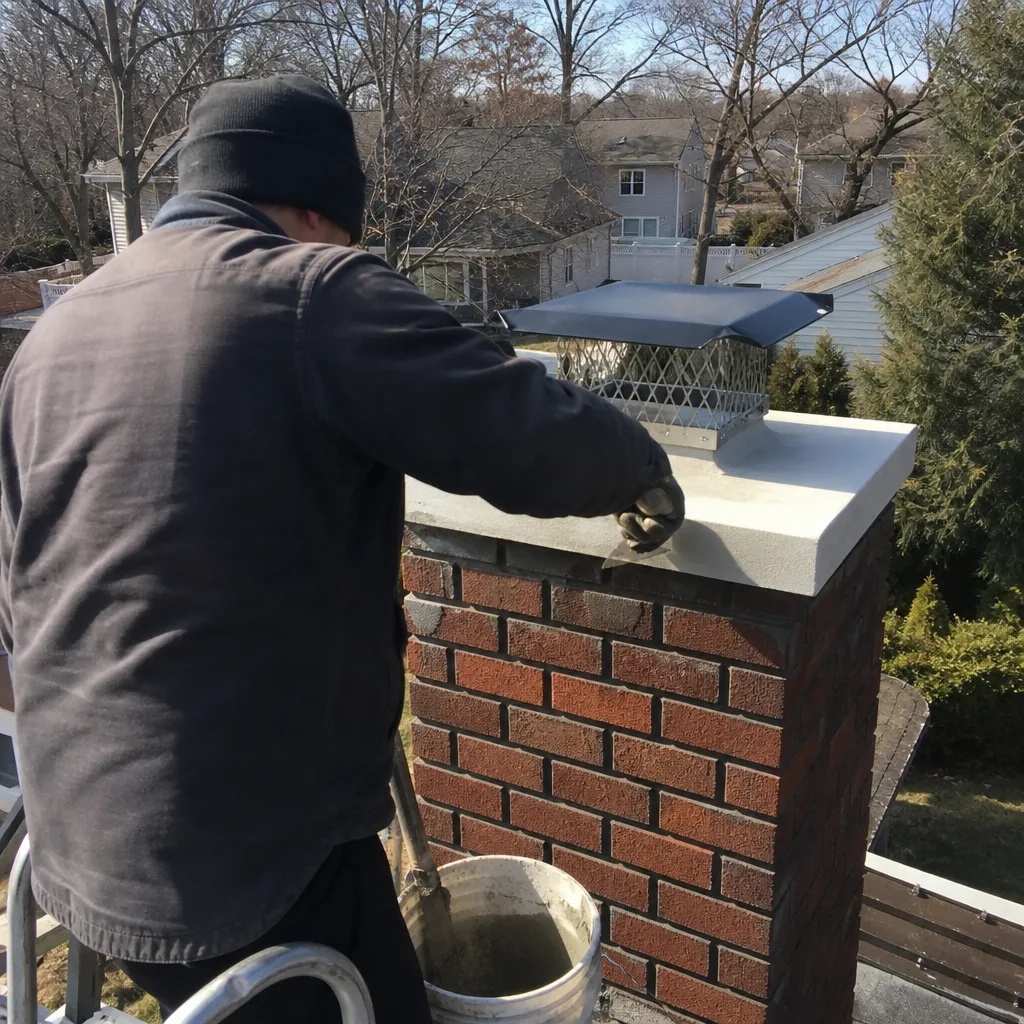 After
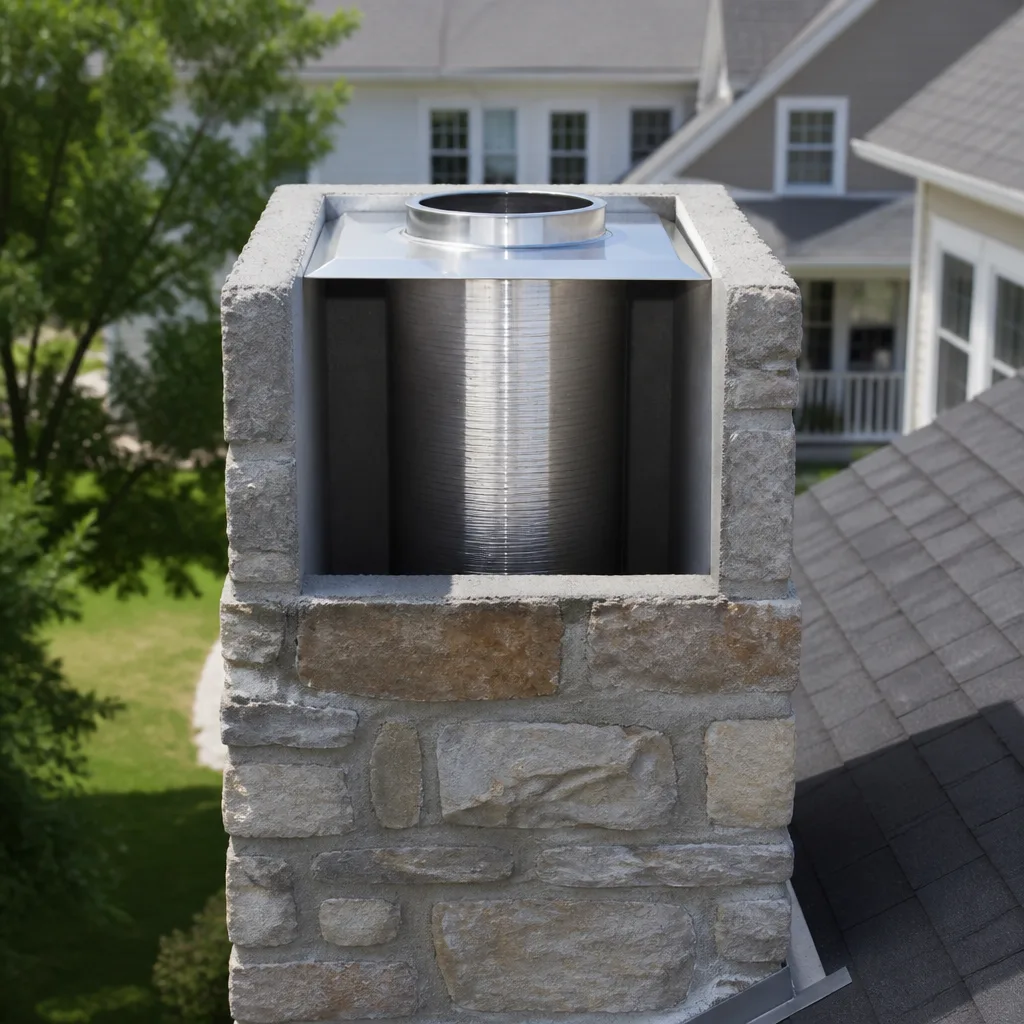
After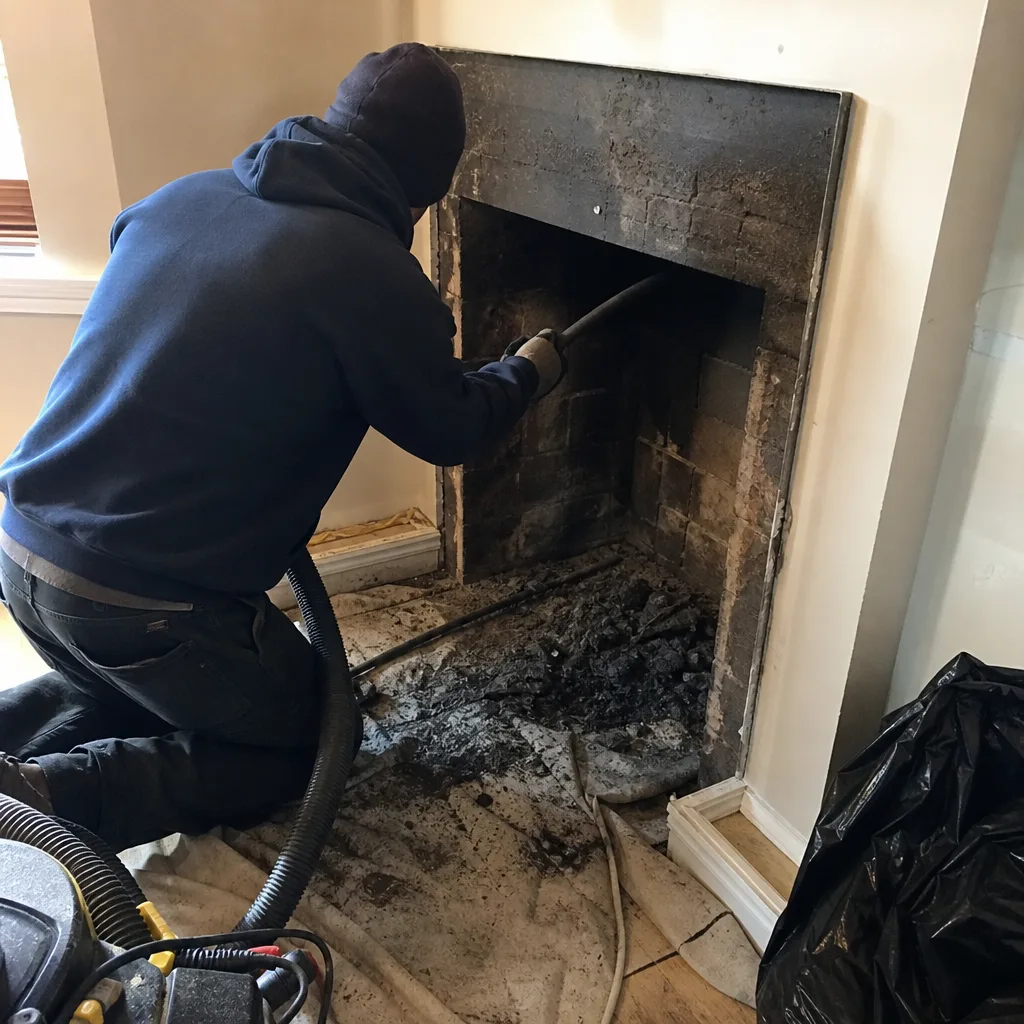 Before
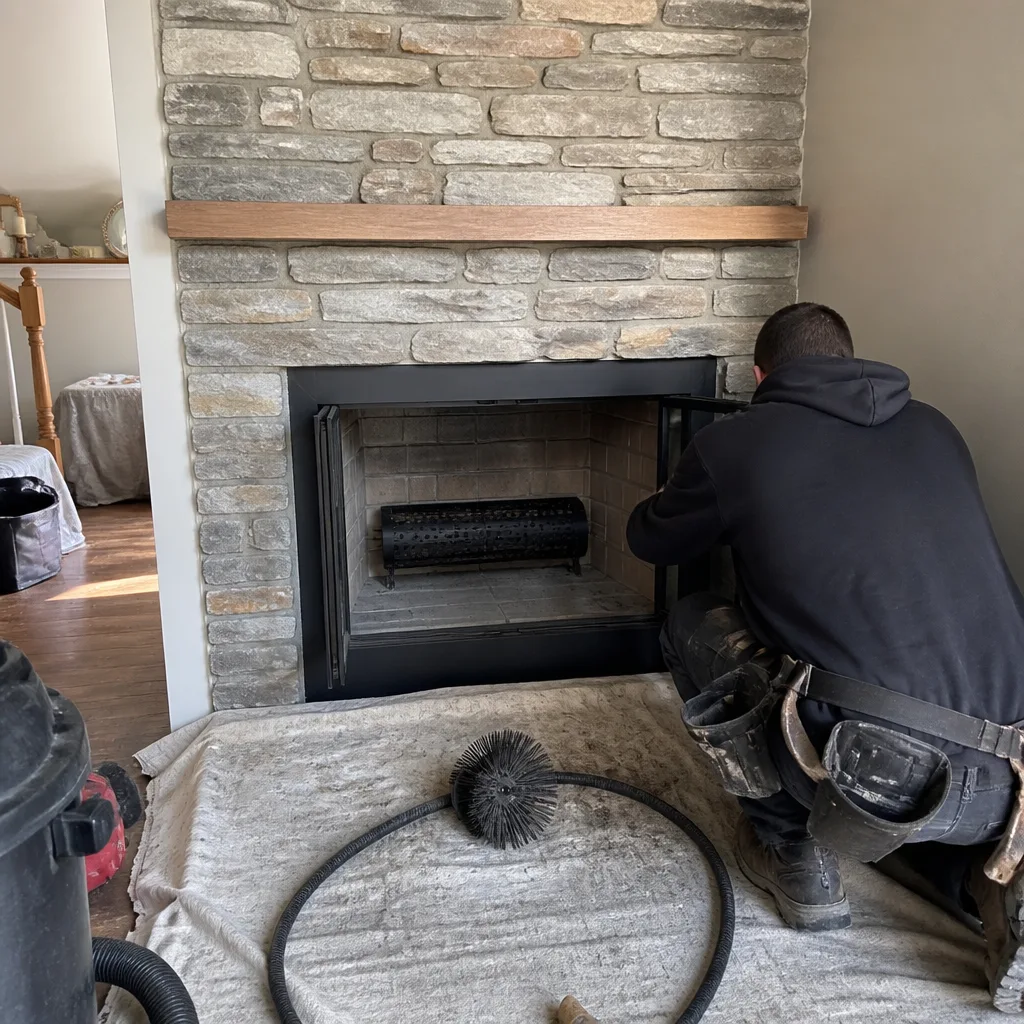 After
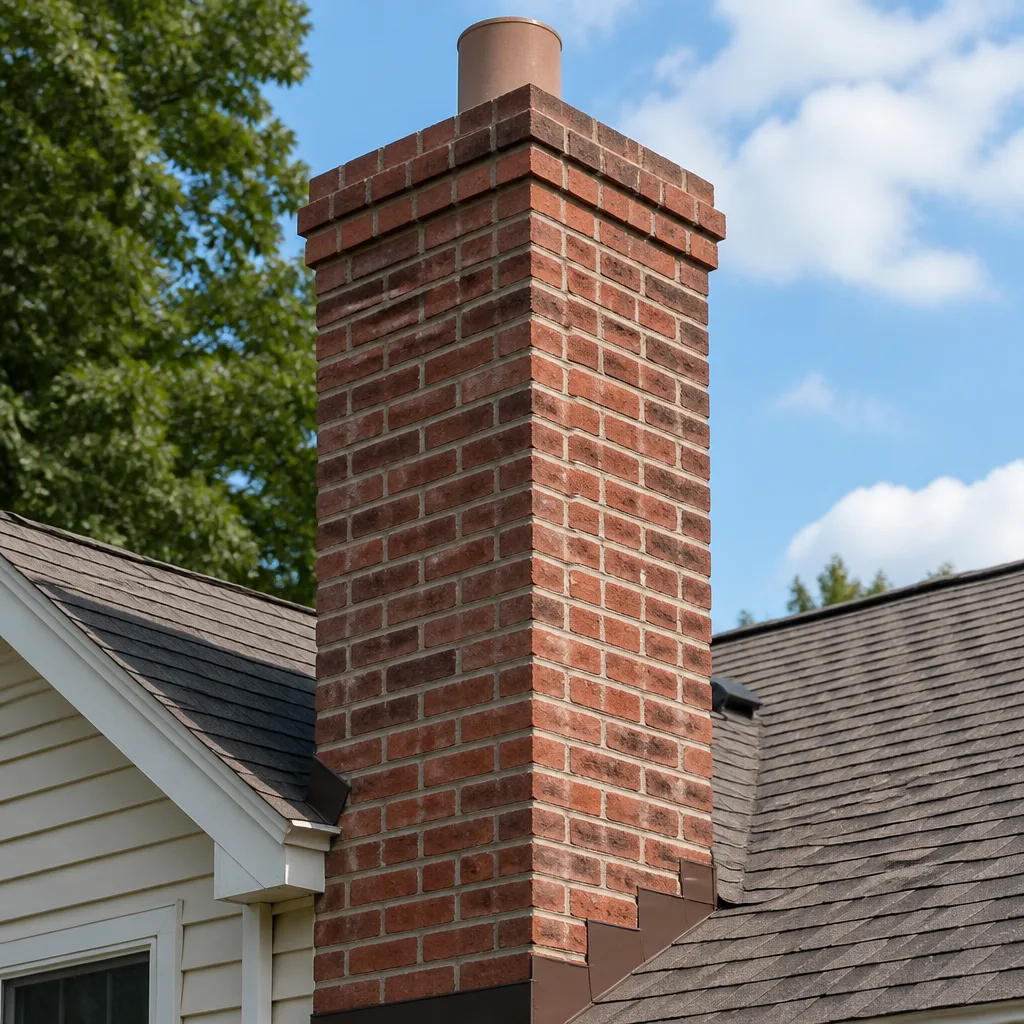
After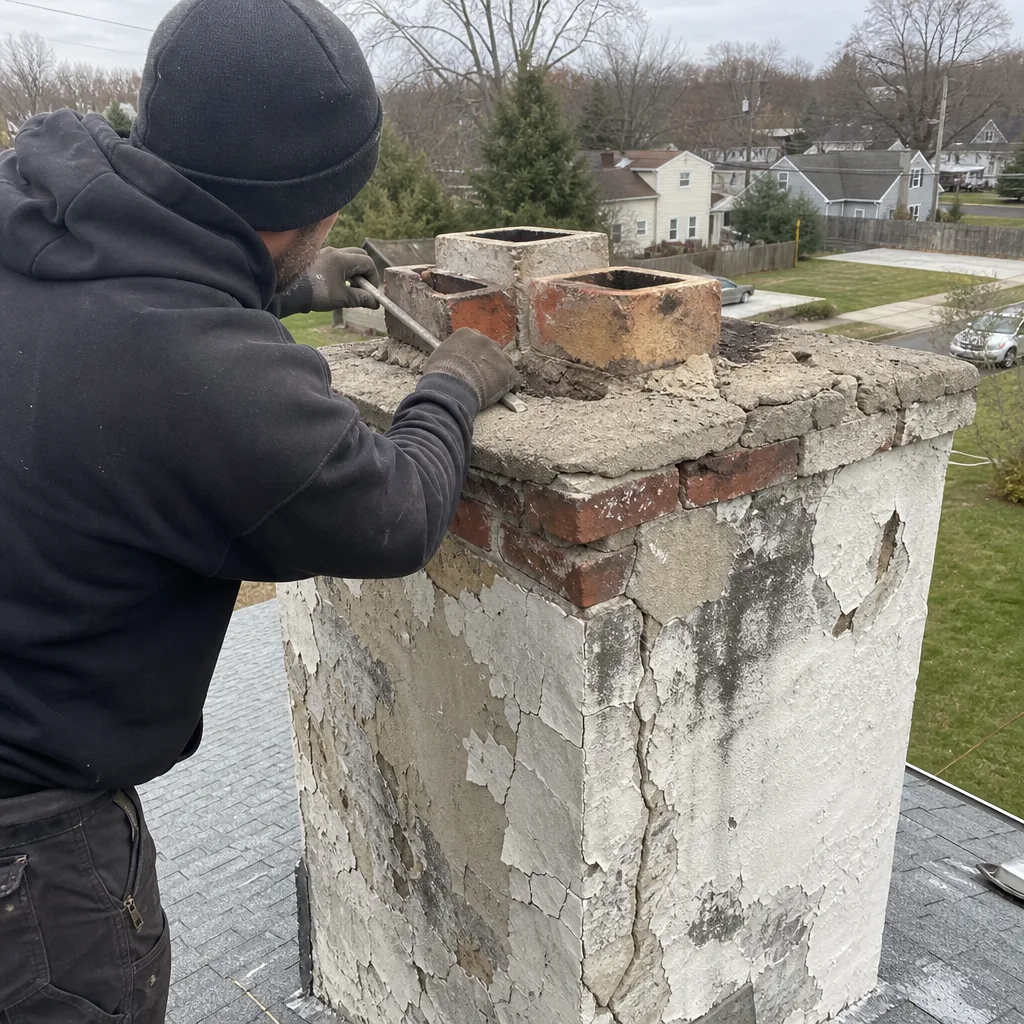 Before
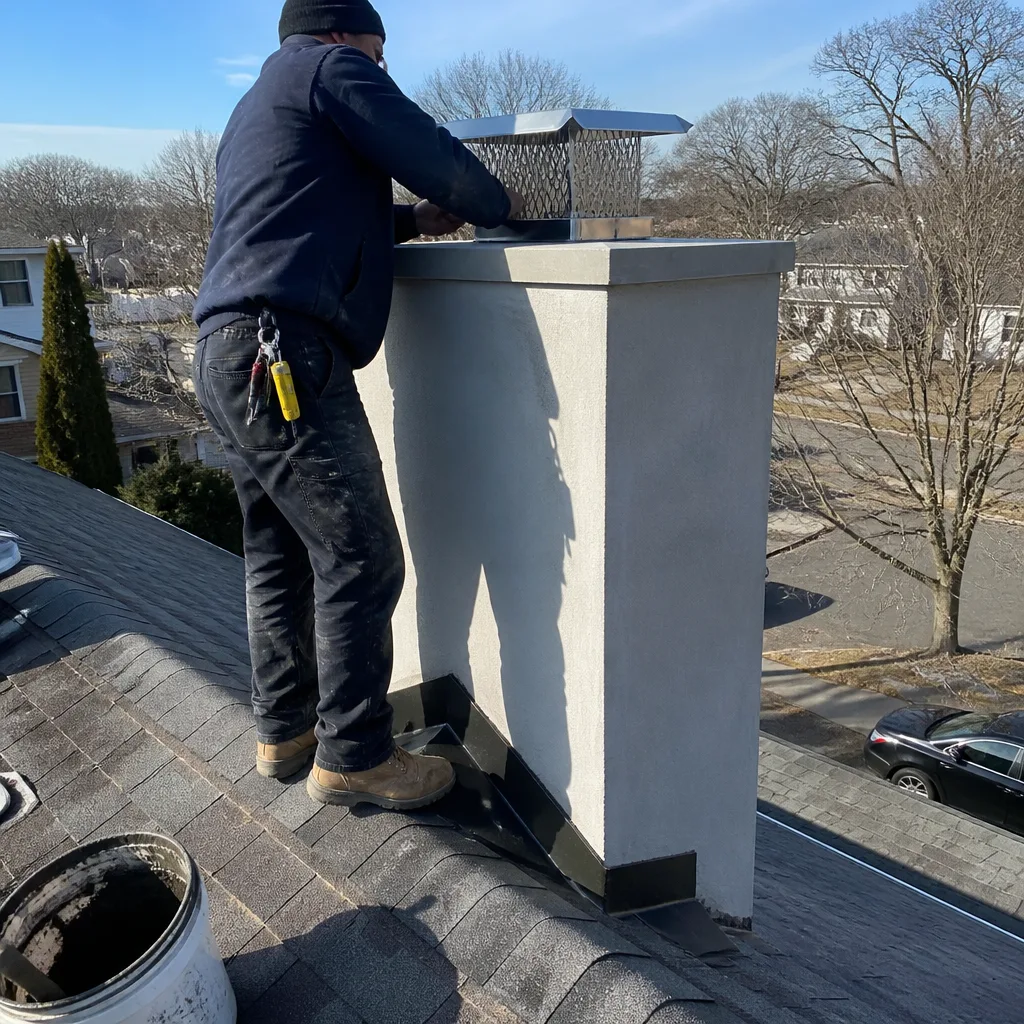 After
AfterDIY vs Professional Chimney Cleaning: The Hicksville Homeowner’s Decision Guide
You can buy the same wire brush a sweep uses for thirty dollars at any hardware store in Hicksville. What you cannot buy is the ability to recognize Stage 2 creosote glaze, a hairline liner crack hiding behind soot buildup, or a deteriorating smoke chamber that looks perfectly fine from the firebox floor. In our 42 years serving Nassau County, we’ve seen capable homeowners handle basic maintenance well - and we’ve seen the aftermath when someone who meant well missed a warning sign that cost them their house. This guide - and our more detailed guide on how to hire a chimney cleaning contractor in Hicksville - draws the line precisely: what a careful DIYer can actually accomplish, what remains invisible without professional tools, and where the consequences of getting it wrong cross from inconvenient to genuinely dangerous.
Quick Answer
Most Hicksville homeowners can safely handle light surface soot removal from a fireplace that burns seasoned hardwood and was professionally inspected within the past year. If your chimney has not had a Level-2 camera inspection in over 12 months, burns more than three cords annually, or serves any gas appliance converted from oil, professional cleaning and inspection is the only responsible choice. The gap between DIY brushing and professional sweeping is not elbow grease - it’s documentation of what you cannot see.
Table of Contents
- What DIY Chimney Brushing Actually Accomplishes
- The Tools and True Costs of a Genuine DIY Attempt
- What You Physically Cannot See From the Firebox
- When DIY Is Genuinely Inadvisable
- What a Professional Sweep Documents (And Why It Matters)
- Three Questions That Route You to DIY or Professional Service
- Common Mistakes to Avoid
- When to Call a Professional
- Frequently Asked Questions
What DIY Chimney Brushing Actually Accomplishes
Let’s be plain about what a homeowner with a brush, rods, and patience can actually remove from a chimney flue.
DIY brushing handles:
- Loose, powdery soot from recent burns of well-seasoned hardwood
- Light, flaky creosote deposits (Stage 1) that have not yet hardened
- Debris such as bird nests, leaves, or cobwebs from the upper flue - provided you can reach them safely
- Surface ash and residue from the firebox floor and smoke shelf
This is not nothing. A homeowner who burns two cords of oak or maple per season, keeps wood covered and dry, and maintains hot, active fires can keep a flue reasonably clear with annual DIY brushing. We’ve met Hicksville homeowners on South Oyster Bay Road and Charles Street who’ve managed this for years without incident.
But here’s where the honest assessment ends. DIY brushing does not remove:
- Stage 2 creosote glaze - the tar-like, hardened layer that forms when wood is burned wet or fires are smoldered overnight
- Stage 3 glazed creosote - a dense, rock-hard coating that requires chemical treatment or rotary removal
- Compacted debris wedged in flue offsets or corbelled smoke chambers
- Hidden moisture damage to terra cotta flue liners
In Hicksville’s climate, where winter temperature swings force masonry through repeated freeze-thaw cycles, moisture intrusion - a topic we cover in our seasonal chimney care guide - is not a theoretical concern. It’s the most common hidden problem we find in homes built during the 1950s and 1960s development boom. A wire brush won’t tell you if water has been seeping through a cracked crown for three winters. It will simply glide past the crack and leave you with a false sense of security.
The other limitation is physical reach. Standard homeowner brush kits extend 12 to 20 feet. A two-story colonial on Hicksville’s typical chimney may require 25 to 35 feet of rod to reach the flue cap from the firebox. Working from the roof down introduces fall risk and still leaves the smoke chamber - the area above the damper - largely untouched.
The Tools and True Costs of a Genuine DIY Attempt
Hardware stores sell “chimney cleaning kits” that imply a brush and rods are sufficient. A genuine, safe DIY attempt requires more. Here’s the honest accounting.
Essential equipment:
- Wire brush and fiberglass rods - $30 to $60 for a basic kit; $80 to $140 for a professional-grade polypropylene brush with button-lock rods that won’t unscrew mid-flue
- HEPA vacuum rated for ash - $150 to $300; standard shop vacs blow fine particulate through the exhaust and into your living space
- Drop cloths, sealing tape, and negative-air containment - $40 to $80 to protect floors and furnishings from soot fallout
- Safety gear: N95 or P100 respirator ($15 to $30), safety goggles, gloves, and coveralls ($30 to $50)
- Roof access equipment: extension ladder rated for your roof height ($200 to $400), roof harness or anchor system ($100 to $250) - required if brushing from the top down or inspecting the cap and crown
- Flashlight or borescope camera - $30 to $80 for basic; $150 to $300 for a wireless borescope that can document flue condition
Honest total cost for a capable DIY setup: $555 to $1,350 for first-year equipment. Subsequent years cost only your time and replacement brush heads ($25 to $40).
By comparison, professional chimney cleaning in Hicksville typically runs $200 to $350 for a standard sweep with Level-1 visual inspection. A Level-2 inspection with camera documentation adds $100 to $200 more.
The break-even math only works if you ignore time, risk, and the value of documentation. A thorough DIY cleaning takes three to five hours for someone who knows what they’re doing. First-timers often spend a full Saturday and still miss critical areas. More importantly, no DIY effort produces the photo documentation that insurers, home inspectors, and buyers increasingly expect.
We’ve talked to Hicksville homeowners who spent $400 on equipment, two weekends on the job, and still called us when they smelled smoke in an upstairs bedroom. The creosote they’d loosened but not fully removed had shifted and partially blocked the flue. They paid for the DIY experiment, then paid for the professional sweep, then paid again for the peace of mind they’d sought in the first place.
What You Physically Cannot See From the Firebox
This is where the real gap opens. A chimney flue is not a straight pipe you can eyeball. It’s a concealed, vertical passage with offsets, joints, and surfaces that accumulate damage in ways invisible to anyone standing at the fireplace opening.
The smoke chamber sits above the damper and below the flue liner. It’s the area where smoke gathers before being drawn upward. Building codes have tightened smoke chamber requirements significantly since 1980, but most Hicksville homes predate these standards. A proper smoke chamber should have smooth, sloping walls. What we commonly find instead are corbelled brick steps, rough parging, or gaps where mortar has fallen away. From the firebox floor, looking up with a flashlight, this area appears as a dark rectangle. You cannot see the wall condition without a camera on an articulating pole - or without being inside the flue itself.
Flue liner integrity determines whether your chimney can contain heat and combustion gases safely. Terra cotta liners crack from thermal shock, settling, or freeze-thaw damage. A hairline crack at the third flue joint won’t shed soot. It won’t make noise. It won’t smell different. It will simply allow heat and gases to reach the surrounding masonry and framing - a condition that has started hundreds of house fires annually, according to National Fire Protection Association data. A wire brush passes over a cracked liner without resistance. A camera reveals the gap.
Creosote staging requires trained identification. Stage 1 creosote is flaky and light-colored. Stage 2 is shiny, tar-like, and brown or black. Stage 3 is glossy, hardened, and nearly glass-like. Each stage demands different removal methods, and Stage 3 requires chemical pretreatment or rotary mechanical cleaning that no homeowner should attempt. Misidentifying Stage 2 as “just soot” and brushing it with inadequate force leaves the hazard in place while convincing you the job is done.
Draft performance is invisible without measurement tools. A chimney can be clean and still fail to draw properly due to negative pressure from modern HVAC systems, house tightness, or exterior wind patterns. We measure draft in pascals with a digital manometer. A reading below -5 pascals indicates inadequate draw that will push smoke into living spaces. No brush fixes this. No homeowner detects it without instruments.
In Hicksville neighborhoods like East Village and Old Country Road corridor, where many homes have been renovated with energy-efficient windows and sealed combustion appliances, draft problems have become more common. The tighter the house, the more precisely the chimney system must function.
When DIY Is Genuinely Inadvisable
There are conditions where even a capable homeowner with proper equipment should not attempt chimney cleaning. These are not edge cases in Hicksville’s housing stock. They are common.
Any home converted from oil to gas heating. Oil combustion produces sulfur compounds that combine with moisture to form sulfuric acid. This acid attacks terra cotta liners and masonry from the inside, often leaving a thin, deteriorated liner that looks intact until probed. Gas appliances produce water vapor that condenses in oversized flues, accelerating damage. The combination - acid-weakened liner plus condensing flue gases - creates a genuine carbon monoxide risk that no brush addresses. We inspect these systems with cameras specifically to evaluate liner thickness and joint integrity. If your Hicksville home was converted before 2010 and has not had a Level-2 inspection, DIY cleaning is not a safe option.
Homes over 50 years old with original masonry. Hicksville’s post-war building boom produced thousands of homes in the 1950s and 1960s with unlined brick chimneys or single-wythe construction. These chimneys were built for coal or oil furnaces, not modern gas efficiencies or wood-burning inserts. Mortar in these systems is often powdery. A wire brush can dislodge more than creosote - it can knock loose the masonry itself, creating blockages or exposing gaps.
Any history of chimney fire. Even a small, self-extinguished chimney fire causes thermal damage to liners and surrounding masonry. The homeowner may have heard a rumbling or noticed unusual heat, then assumed the problem resolved when the fire went out. In fact, the liner has likely cracked and the mortar joints have weakened. Cleaning without inspection risks missing structural damage that the next fire will exploit.
No record of professional inspection within the past 12 months. This is the threshold we recommend for any active wood-burning system. If you don’t know the baseline condition, you cannot judge whether your DIY efforts are adequate or dangerous. We’ve found bird nests completely blocking flues, detached chimney caps allowing water intrusion, and deteriorated crown concrete that appeared sound from below. Without a professional establishing the starting point, DIY maintenance is maintenance in the dark.
Steep-pitch or slate roofs. This is a safety consideration, not a technical one. Hicksville has many homes with 8/12 or steeper pitches and original slate or synthetic slate roofing. Fall risk on these surfaces is significant, and roof work should be left to insured professionals with proper anchoring equipment. We’ve responded to emergency calls where a homeowner fell from a ladder while attempting to inspect their chimney cap. The chimney was fine. The broken wrist was not.
What a Professional Sweep Documents (And Why It Matters)
The difference between DIY and professional service is not primarily the brushing. It’s the record.
At Hearthstone Chimney Co., every Level-2 inspection produces three deliverables: dated photographs of the full flue length, draft measurement readings, and a plain-English written verdict. Homeowners receive these documents and we retain copies. This matters for reasons most homeowners don’t consider until they need them.
Insurance claims. After a chimney fire or carbon monoxide incident, insurers investigate maintenance history. A documented annual inspection by a certified sweep supports your claim. A homeowner’s word that “I cleaned it myself every fall” does not. We’ve been called to document conditions for insurance adjusters in Hicksville and surrounding Nassau County towns. The homeowners with professional records received coverage. Those without faced difficult questions.
Home sale transactions. Long Island real estate moves fast, but buyers and their inspectors are increasingly thorough. A chimney without recent professional documentation triggers inspection contingencies, price negotiations, or outright deal delays. A seller who can produce a current inspection report with clear photos moves through closing more smoothly. We’ve provided documentation for dozens of Hicksville home sales, often on short notice when an inspector flagged something the seller hadn’t considered.
Warranty and guarantee protection. Our 90-Day Done Right Promise covers work we perform. If we install a liner, cap, or crown and something fails, we return and make it right - in writing, no arguing. This guarantee is tied to our documentation. We know exactly what we found, what we did, and what materials we used. DIY work carries no such protection, and manufacturer warranties on appliances often require professional installation and maintenance records.
Code compliance and permit history. Hicksville falls under Town of Oyster Bay jurisdiction, which has specific requirements for chimney modifications, liner installations, and new appliance connections. Professional sweeps understand these codes and permit triggers. DIY work that violates code - even unknowingly - can create liability issues and complicate future sales or insurance claims.
The documentation gap is the hidden cost of DIY that doesn’t appear in equipment price comparisons. A $250 professional sweep produces a record. A $300 DIY setup produces clean brushes and hope.
Three Questions That Route You to DIY or Professional Service
We’ve distilled forty-two years of field experience into three questions. Answer them honestly and the path becomes clear.
Question 1: Has a certified sweep performed a Level-2 camera inspection of this chimney within the past 12 months?
If yes, and the inspection found no liner damage, no significant creosote buildup beyond Stage 1, and no structural concerns, you may handle light annual maintenance yourself. Continue to schedule professional inspection every two to three years.
If no, or if the last inspection found any concern whatsoever, schedule professional service before attempting any DIY work. You cannot maintain safely what you have not properly diagnosed.
Question 2: Does this chimney serve any appliance other than an occasional-use wood fireplace, or has the home’s heating system changed since original construction?
If the chimney serves a furnace, boiler, water heater, or wood stove - especially if any fuel conversion has occurred - professional inspection is non-negotiable. These systems operate continuously or at high temperatures, and their failure modes are not visible from the firebox.
If the chimney serves only a decorative gas log set that was professionally installed and inspected, annual professional service is still wise but the urgency is lower. If it serves a wood-burning fireplace used more than twenty times per season, annual professional inspection is the standard we recommend.
Question 3: Am I equipped and willing to work safely on my roof, handle hazardous particulate with proper respiratory protection, and accept that I will have no documentation of my work?
This question separates the genuinely capable from the optimistically capable. Roof work in Hicksville’s variable weather, handling creosote-laden debris without proper vacuum containment, and accepting zero paper trail are real conditions of DIY. If any element gives you pause, professional service is the sound choice.
There is no shame in this. We’ve built our business on homeowners who value their time, their safety, and their peace of mind more than the modest cost savings of DIY. Our fireplace services in Hicksville include options for every budget and schedule, and our no-hassle upfront pricing means the estimate number matches the invoice number.
Common Mistakes to Avoid
- Using a standard shop vacuum for ash and soot. Fine particulate passes through most shop vac filters and recirculates through your home. True HEPA vacuums rated for ash are essential. We’ve cleaned up after Hicksville homeowners who spent weeks wiping soot film from every surface in their living room.
- Brushing from the roof without securing the ladder or using fall protection. Every year, homeowners are injured in falls that were entirely preventable. If your roof pitch exceeds 6/12 or you are not comfortable working at height, do not attempt this.
- Assuming a clean-looking firebox means a clean flue. The firebox is the easiest area to clean and the most visible. Creosote accumulates in the cooler upper flue and smoke chamber, precisely where you cannot see without equipment.
- Burning unseasoned or “green” wood and brushing more frequently as compensation. Wet wood produces massive creosote buildup that no amount of brushing fully addresses. The solution is proper wood storage, not more aggressive DIY cleaning. In Hicksville’s humid summers, wood needs 18 to 24 months of covered drying.
- Ignoring the chimney cap and crown. Water is the enemy of every chimney system. A missing or damaged cap allows rain, snow, and animal entry. A cracked crown channels water directly into the masonry core. These are roof-level components that DIY brushing from below never addresses.
- Using the wrong brush size or material for the flue type. A brush too small skips the flue walls. A brush too large can lodge stuck, requiring professional retrieval. Metal flue liners require polypropylene brushes, not wire, to avoid damage. Using a wire brush in a stainless steel DuraFlex liner creates scratches that accelerate corrosion.
- Cleaning without checking local burn restrictions or air quality alerts. The Town of Oyster Bay occasionally issues no-burn advisories during high pollution days. Cleaning your chimney and immediately burning violates these restrictions and risks fines.
When to Call a Professional
Call a certified sweep when any of the following apply: your chimney has not had a Level-2 inspection in over a year; you smell smoke in rooms away from the fireplace; you hear dripping inside the chimney during rain; your damper sticks or won’t fully open or close; you’ve noticed cracked or spalling brick on the exterior; or you’re preparing to list your home for sale.
Hearthstone Chimney Co. offers free estimates in Hicksville. A live person answers every call, 24 hours a day, 7 days a week - not a voicemail queue, not an app. Our background-checked, uniformed technicians complete most jobs in a single visit, and our no-hassle upfront pricing means no surprises on the bill. Call (516) 259-3797 to schedule or ask questions.
Frequently Asked Questions
A standard chimney sweep with Level-1 visual inspection typically costs $200 to $350 in the Hicksville market. A Level-2 inspection with full camera documentation runs $300 to $550 depending on flue accessibility and number of appliances served - see our full 2026 cost breakdown for details. Our $89 Seasonal Tune-Up offers a limited-time entry point for qualifying systems. Call (516) 259-3797 for an exact quote - estimates are free.
You can remove loose surface soot and light debris with basic equipment, but you cannot assess liner condition, measure draft performance, or document your work for insurance or resale. For many Hicksville homeowners, that’s sufficient for interim maintenance between professional visits. For others, it’s a dangerous overestimation of what’s been accomplished. The honest answer depends on your specific chimney’s age, fuel type, and inspection history. For more guides & resources, visit our blog.
The National Fire Protection Association recommends annual inspection for all chimney systems. In Hicksville’s climate, with freeze-thaw cycles from November through March and humid summers that accelerate masonry deterioration, we endorse this standard without reservation. Heavy-use wood-burning systems should be swept annually as well. Gas and oil systems can sometimes extend to every two years if prior inspections show clean, sound conditions - but the baseline must be established professionally first.
Skipped maintenance leads to creosote accumulation, which increases chimney fire risk. It allows moisture intrusion that deteriorates liners and masonry. It permits small problems - a cracked crown, a missing cap, a loose damper - to become expensive repairs. In the worst case, a blocked or damaged flue vents carbon monoxide into living spaces. The cost of prevention is modest. The cost of remediation, or of a house fire, is not. Call (516) 259-3797 if your chimney is overdue - we’ll assess urgency honestly and never recommend work you don’t need.
A liner replacement is a significant expense, and skepticism is healthy. At Hearthstone Chimney Co., we show you the camera footage and explain exactly what we found before recommending any liner work. Nothing is suggested without photographic evidence you can see for yourself. We also tell you plainly when a liner can be repaired rather than replaced, or when monitoring is reasonable for a condition that is not yet critical. Our 90-Day Done Right Promise applies to every job, so we have no incentive to sell work that won’t hold up.
The Town of Oyster Bay requires permits for chimney liner installation, structural repairs, and new appliance connections. Wood-burning installations must comply with New York State residential code, which specifies clearances, hearth dimensions, and flue sizing. Professional sweeps handle permit applications as part of major projects. DIY work that triggers permit requirements without obtaining them can create compliance issues for future sales or insurance claims. We handle this paperwork routinely and can explain what your specific project requires.
The Bottom Line
DIY chimney cleaning has its place: the capable homeowner with a recently inspected, straightforward system, proper equipment, and realistic expectations about what brushing alone accomplishes. For everyone else - which includes most Hicksville homeowners with homes over thirty years old, any fuel conversion history, or no recent professional baseline - the risks of missing hidden damage outweigh the modest cost savings.
The true measure is not whether you can run a brush up a flue. It’s whether you can guarantee the safety of everything you cannot see. We’ve spent 42 years developing the tools, training, and documentation systems to make that guarantee. When you’re ready for a square deal - photos you can see, a plain-English verdict, and work backed in writing - we’re here.
Written by Russell Haines, Owner at Hearthstone Chimney Co., serving Hicksville since 2014.